Sinus infections are one of those annoying health issues that seem to show up at the worst possible time. A blocked nose, pressure around your eyes, and a dull headache can quickly ruin your day. But one question keeps popping up: are sinus infections contagious or not?
Let’s clear the confusion once and for all. This guide breaks down the science, busts common myths, and gives you practical insights you can trust.
What Is a Sinus Infection?
Before we talk about contagiousness, let’s get the basics right.
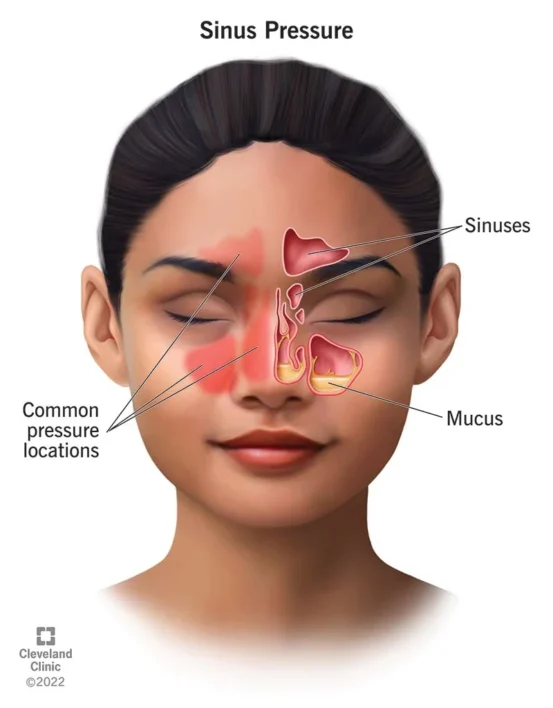
A sinus infection, also called sinusitis, happens when the tissue lining your sinuses becomes inflamed. This inflammation blocks mucus drainage and creates pressure, pain, and discomfort.
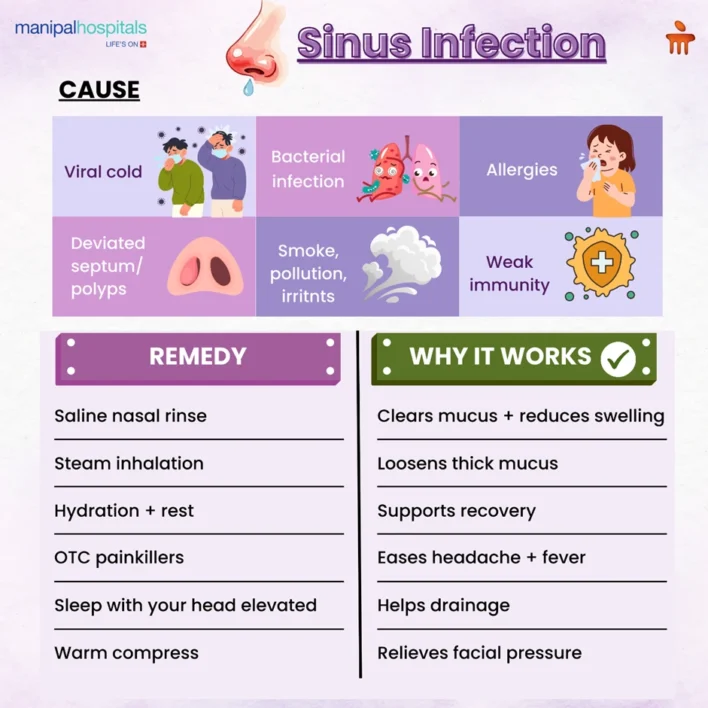
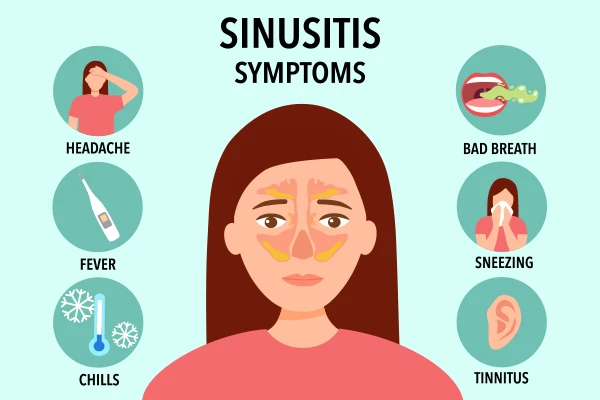
Common Sinus Infection Symptoms and Causes
Most people experience a mix of these symptoms:
- Nasal congestion
- Facial pain or pressure
- Thick nasal discharge (yellow or green)
- Headache
- Reduced sense of smell
- Fever (sometimes)
- Fatigue
The causes vary, but they usually include:
- Viral infections (like the common cold)
- Bacterial infections
- Allergies
- Nasal polyps
- Deviated septum
Now, here’s where things get interesting.
Are Sinus Infections Contagious or Not?
Let’s answer the main question directly:
👉 Sinus infections themselves are usually NOT contagious.
But and this is important the underlying cause can be contagious.
The Real Logic
- If your sinus infection started from a virus, that virus can spread.
- If it’s caused by bacteria, allergies, or structural issues, it won’t spread.
So, when people ask, “Can you catch a sinus infection from others?”, the honest answer is:
👉 You might catch the virus, not the sinus infection itself.


Sinus Infection vs Cold Contagiousness
This confusion happens all the time.
Let’s compare them clearly:
Cold (Highly Contagious)
- Caused by viruses
- Spreads through coughing, sneezing, or touch
- Symptoms start quickly
- Usually resolves within 7–10 days
Sinus Infection (Mostly Not Contagious)
- Often develops after a cold
- Caused by inflammation and mucus buildup
- Symptoms last longer
- May require treatment
The Key Difference
A cold spreads easily. A sinus infection usually doesn’t.
But since a cold can lead to sinusitis, people often mix them up.
Bacterial vs Viral Sinus Infection Spread
Understanding this difference clears up most myths.
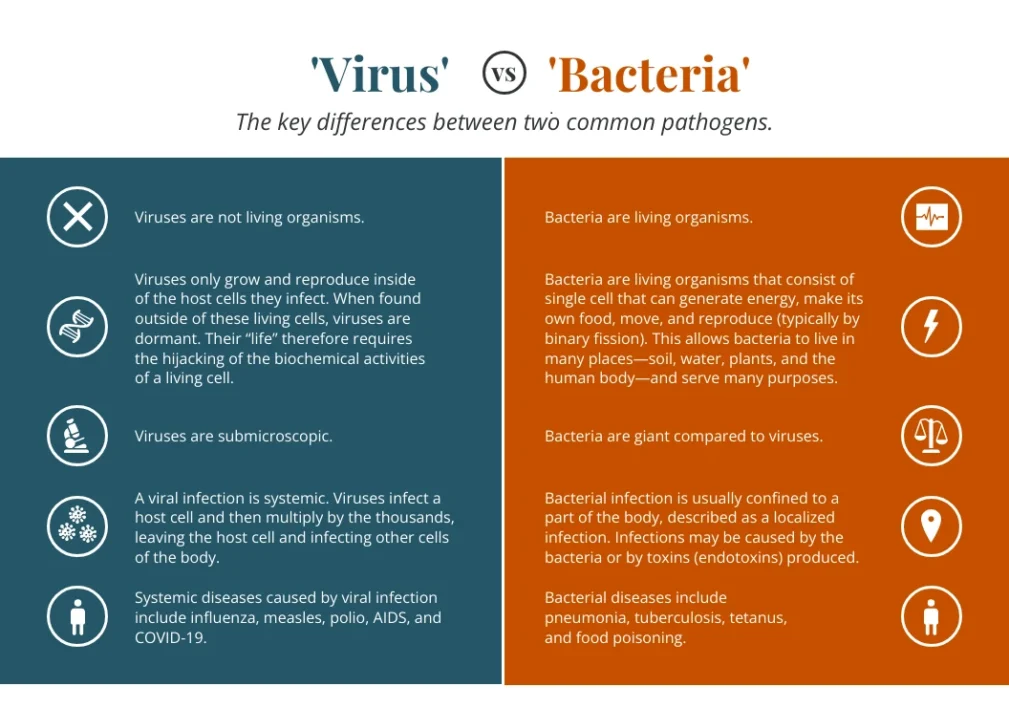
Viral Sinus Infection
- Starts with a cold
- Mild to moderate symptoms
- Contagious in early stages
- Improves within 7–10 days
Bacterial Sinus Infection
- Develops after a viral infection
- Symptoms worsen after initial improvement
- Thick nasal discharge
- Fever may appear
- Not contagious
Simple Rule
👉 Viral = can spread
👉 Bacterial = cannot spread
How Long Sinus Infection Lasts
Duration depends on the type of sinus infection.
Acute Sinusitis
- Lasts up to 4 weeks
- Often caused by viruses
- Most common type
Subacute Sinusitis
- Lasts 4–12 weeks
Chronic Sinusitis
- Lasts more than 12 weeks
- Often linked to allergies or structural issues
Recurrent Sinusitis
- Multiple episodes in a year
If symptoms stretch beyond 10 days or worsen, you may be dealing with a bacterial infection.


Can You Catch Sinus Infection From Others?
Let’s settle this once more, clearly.
👉 You cannot directly catch a sinus infection.
However, you can catch:
- A cold virus
- Flu viruses
These can later trigger sinusitis in your body.
Real-Life Example
Imagine someone sneezes near you. You catch their cold. A few days later, your sinuses get inflamed.
Did you catch their sinus infection?
👉 No.
Did their virus lead to yours?
👉 Yes.
Sinusitis Myths and Facts
Let’s bust some common myths.
Myth 1: Sinus infections spread like the flu
Fact: Only the virus may spread, not the infection itself.
Myth 2: Green mucus means contagious infection
Fact: Color indicates immune response, not contagiousness.
Myth 3: Antibiotics cure all sinus infections
Fact: Antibiotics only work for bacterial cases.
Myth 4: Sinus infections always need medication
Fact: Many cases resolve naturally.
Myth 5: You should avoid people with sinusitis
Fact: No need—unless they have an active viral infection.
When Sinus Infection Becomes Serious
Most sinus infections stay mild. But sometimes, things escalate.
Warning Signs
Watch out for:
- High fever (above 39°C)
- Severe headache
- Swelling around eyes
- Vision changes
- Confusion
- Symptoms lasting more than 10–14 days
These signs may indicate complications.
👉 Seek medical help immediately if you notice these.



Sinus Infection Treatment at Home
You don’t always need heavy medication. Many people recover with simple care.

Effective Home Remedies
1. Stay Hydrated
Water helps thin mucus and improve drainage.
2. Steam Inhalation
Steam reduces congestion and pressure.
3. Warm Compress
Apply it to your face to ease sinus pain.
4. Saline Nasal Spray
Clears nasal passages naturally.
5. Rest
Your body heals faster when you slow down.
Bonus Tip
Avoid dry air. Use a humidifier if needed.
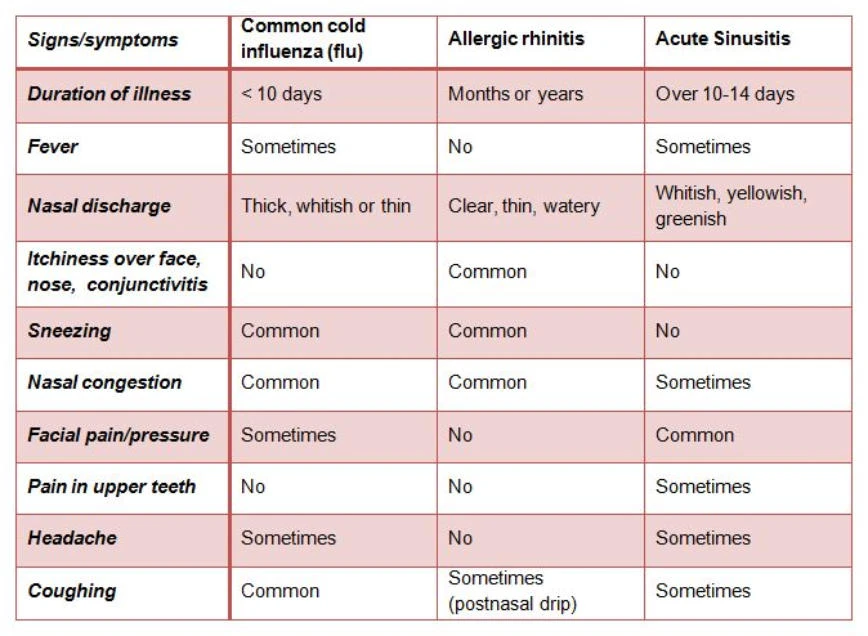
Difference Between Sinusitis and Cold
Let’s simplify this comparison.
| Feature | Cold | Sinusitis |
|---|---|---|
| Duration | 7–10 days | 10+ days |
| Fever | Rare | Sometimes |
| Facial Pain | Mild | Common |
| Nasal Discharge | Clear | Thick/colored |
| Contagious | Yes | Mostly no |
This table clears up a lot of confusion quickly.
Why People Think Sinus Infections Are Contagious
The confusion makes sense.
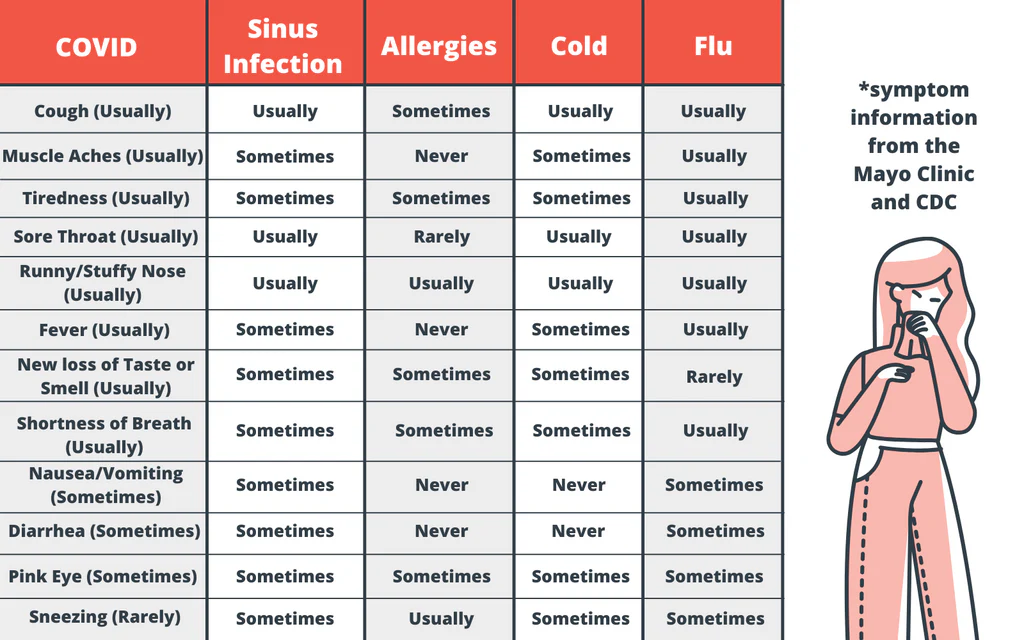
Here’s why:
- Sinus infections often follow colds
- Cold symptoms and sinus symptoms overlap
- People associate similar symptoms with similar causes
But science tells a different story.
How to Prevent Sinus Infections
You can reduce your risk with simple habits.
Practical Prevention Tips
- Wash your hands regularly
- Avoid close contact with sick people
- Manage allergies properly
- Stay hydrated
- Avoid smoking and pollution
- Use a humidifier in dry weather
Immunity Matters
A strong immune system reduces your chances of developing sinus infections.
When to See a Doctor
Home care works most of the time. But don’t ignore these signs:
- Symptoms last more than 10 days
- Pain becomes severe
- Fever doesn’t go away
- Symptoms worsen after improving
A doctor can confirm whether it’s viral or bacterial.
Final Thoughts
Sinus infections create discomfort, confusion, and plenty of myths.
Let’s recap the truth:
- Are sinus infections contagious or not? → Mostly no
- Can you catch sinus infection from others? → Not directly
- What spreads? → The virus, not the sinusitis
- How long sinus infection lasts? → Usually 7–10 days, sometimes longer
- When does it get serious? → When symptoms worsen or persist
Understanding these facts helps you respond better—and worry less.
Quick Takeaway
If someone around you has sinusitis, don’t panic. Just stay cautious if they show cold symptoms.
And if you feel that familiar sinus pressure creeping in, remember:
Your body knows how to fight it—just give it the right support.
Frequently Asked Questions
Are sinus infections contagious or not?
No, sinus infections are usually not contagious. However, the viruses that cause them like the common cold can spread from person to person.
Can you catch a sinus infection from someone else?
You cannot directly catch a sinus infection. But you can catch the virus that may later lead to sinusitis in your body.
How long is a sinus infection contagious?
A sinus infection itself is not contagious. If it starts from a viral infection, the contagious period usually lasts 5–7 days during the cold phase.
What is the difference between sinus infection and cold?
A cold is viral and highly contagious, while a sinus infection is inflammation of the sinuses and usually not contagious. Sinusitis also lasts longer and causes facial pressure.
How long does a sinus infection last?
Most sinus infections last 7–10 days. Some may continue for weeks, especially bacterial or chronic sinusitis.
Is a bacterial sinus infection contagious?
No, bacterial sinus infections do not spread from person to person.
When should I worry about a sinus infection?
You should seek medical help if symptoms last more than 10 days, worsen over time, or include high fever, severe headache, or swelling around the eyes.
What are the main symptoms of sinus infection?
Common symptoms include nasal congestion, facial pain, thick nasal discharge, headache, and reduced sense of smell.
Can sinus infections go away without antibiotics?
Yes, most sinus infections—especially viral ones—resolve without antibiotics. Home care and rest often help recovery.
How can I prevent sinus infections?
You can reduce risk by washing hands regularly, avoiding sick people, staying hydrated, and managing allergies properly.