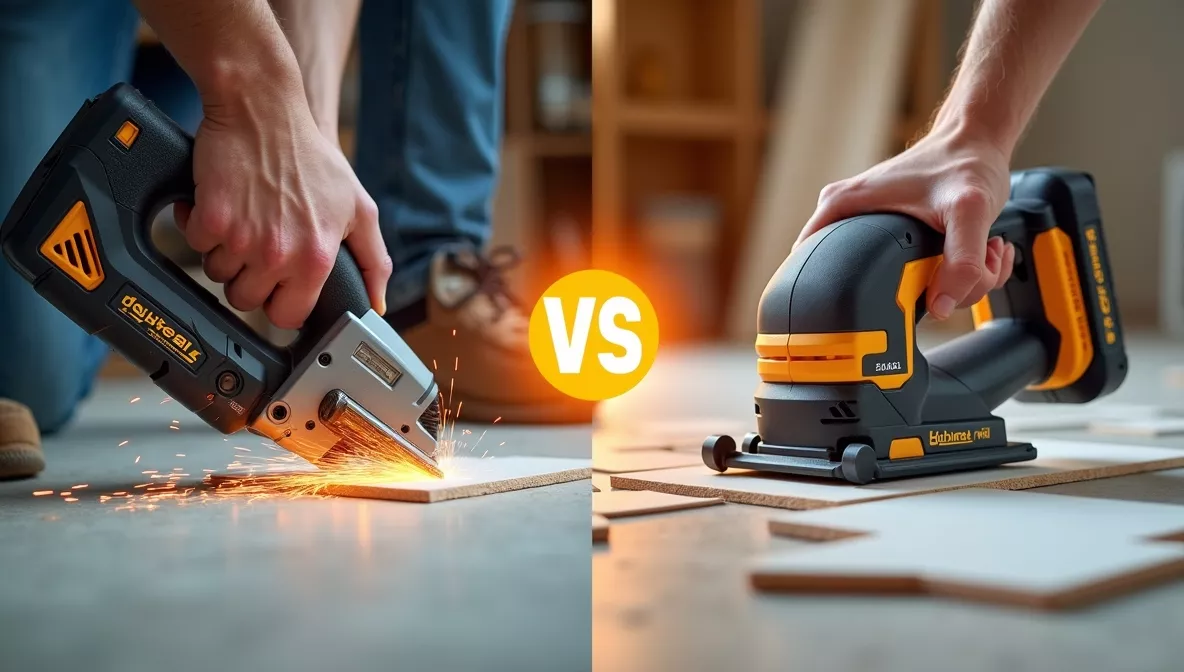
Choosing the right tile cutter can make or break your project sometimes quite literally. Whether you’re upgrading your bathroom or tackling a full renovation, the debate around cordless tile cutter vs manual tile cutter comparison comes up fast.
Both tools do the same job: cut tiles. But they do it in very different ways. And those differences matter more than most people expect.
Let’s break it down in a practical, no-nonsense way so you can decide what actually works best for you.
Why Your Tile Cutter Choice Matters
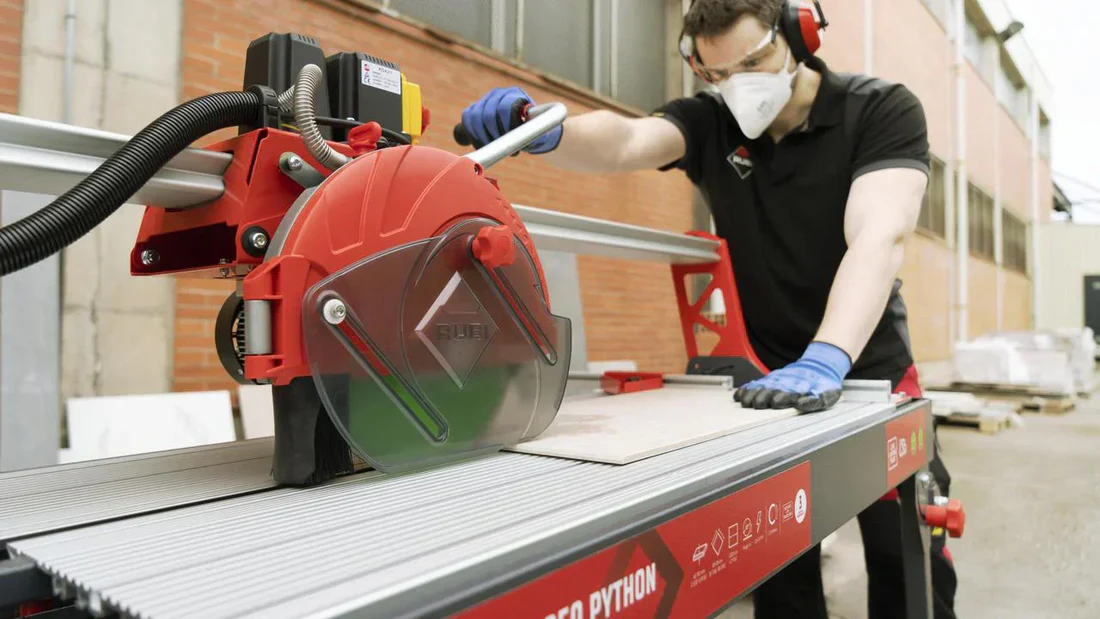
Tiles are not forgiving. One wrong cut, and you waste material, time, and patience.
A good tile cutter helps you:
- Get clean, precise cuts
- Reduce tile breakage
- Work faster with less effort
- Improve overall finish quality
Pick the wrong one, and suddenly a simple DIY project feels like a test of mental endurance.
What Is a Manual Tile Cutter?
A manual tile cutter is a simple, hand-operated tool. It uses a scoring wheel to scratch the tile surface. Then you apply pressure to snap the tile along that line.
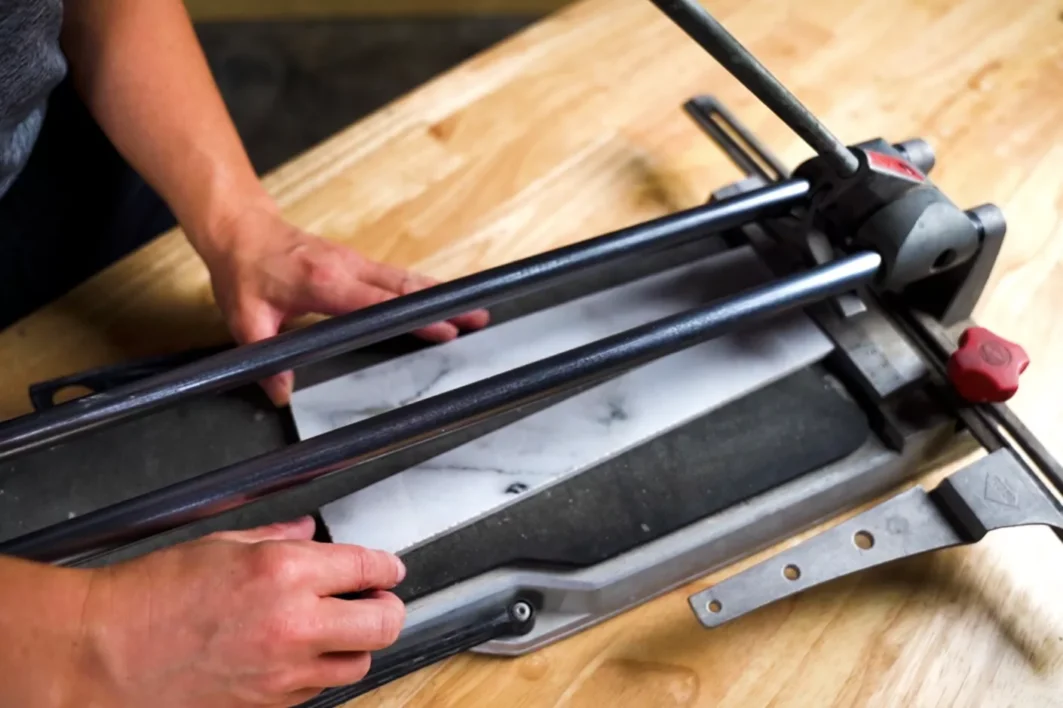
How It Works:
- Place tile on the base
- Score a line with the wheel
- Apply pressure to snap
No electricity. No noise. No fuss.


What Is a Cordless Tile Cutter?
A cordless tile cutter is a battery-powered tool, often similar to a small circular saw. It uses a rotating diamond blade to cut through tiles.
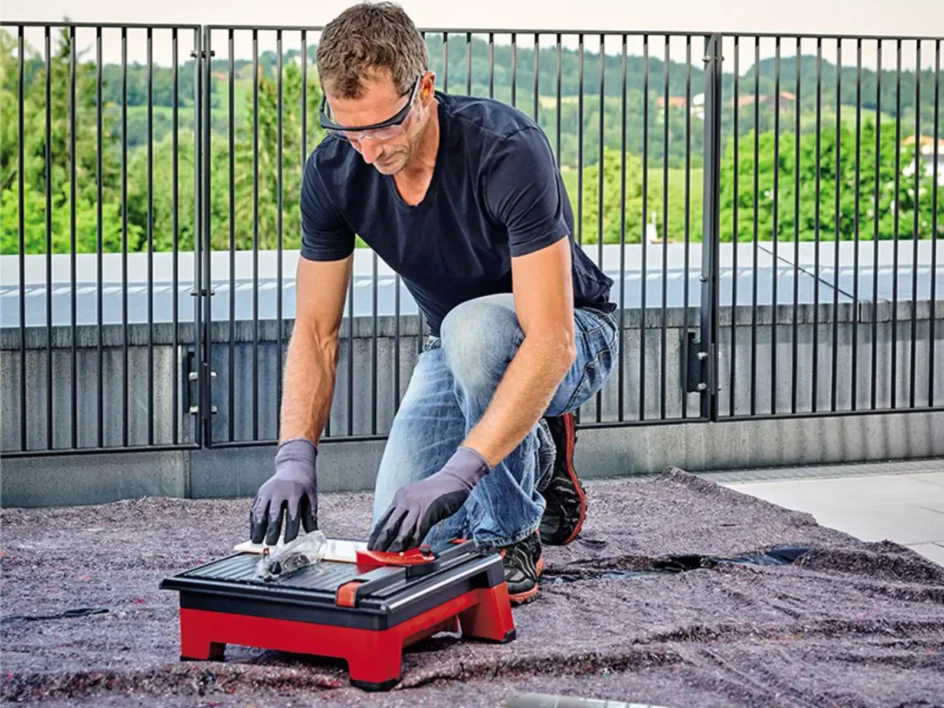
How It Works:
- Power on the tool
- Guide blade through the tile
- Cut smoothly with precision
It’s faster and more versatile but also more complex.
Cordless Tile Cutter vs Manual Tile Cutter Comparison
Let’s compare both tools where it actually matters.
1. Ease of Use
Manual Tile Cutter
- Very beginner-friendly
- Minimal setup
- No technical skills required
Cordless Tile Cutter
- Requires some practice
- You need steady hands
- Slight learning curve
👉 If you’re new to tile cutting tools for beginners, manual wins here.
2. Cutting Accuracy
Accuracy depends on both the tool and the user.
Manual Tile Cutter
- Great for straight cuts
- Struggles with curves or intricate shapes
Cordless Tile Cutter
- Handles straight and curved cuts
- Better for detailed work
👉 If you’re asking which tile cutter is more accurate, the cordless option offers more precision overall especially for complex cuts.
3. Speed and Efficiency
Manual Tile Cutter
- Fast for simple cuts
- Slower for repeated or complex work
Cordless Tile Cutter
- Cuts quickly and consistently
- Ideal for large projects
👉 For speed, cordless clearly takes the lead.
4. Portability
Manual Tile Cutter
- Lightweight
- Easy to carry
- No battery concerns
Cordless Tile Cutter
- Portable but heavier
- Requires battery charging
👉 Manual tools are easier to move around.
5. Tile Compatibility

Not all tiles are equal.
Manual Tile Cutter
- Best for ceramic tiles
- Struggles with thick porcelain
Cordless Tile Cutter
- Cuts ceramic, porcelain, stone, and more
- Handles tough materials easily
👉 If you need the best tile cutter for porcelain tiles, cordless is the better choice.
6. Cost
Manual Tile Cutter
- Budget-friendly
- Great for occasional use
Cordless Tile Cutter
- More expensive
- Ongoing cost (battery, blade replacement)
👉 Looking for an affordable tile cutter for DIY projects? Manual is your best bet.
7. Maintenance
Manual Tile Cutter
- Low maintenance
- Occasional wheel replacement
Cordless Tile Cutter
- Needs blade care
- Battery maintenance required
👉 Manual wins for simplicity.
Manual Tile Cutter Pros and Cons
Let’s simplify it.
Pros:
- Easy to use
- Budget-friendly
- No electricity needed
- Lightweight and portable
- Low maintenance
Cons:
- Limited to straight cuts
- Not ideal for hard tiles
- Can break tiles if used incorrectly



Cordless Tile Cutter Advantages
Cordless tools bring power and flexibility.
Advantages:
- Cuts multiple tile types
- Handles curves and angles
- Faster for big projects
- Cleaner, smoother edges
- More control with practice
Downsides:
- Higher cost
- Requires charging
- Slightly heavier
- Needs safety precautions
Electric vs Manual Tile Cutter Review: Real-World Use
Let’s get practical.
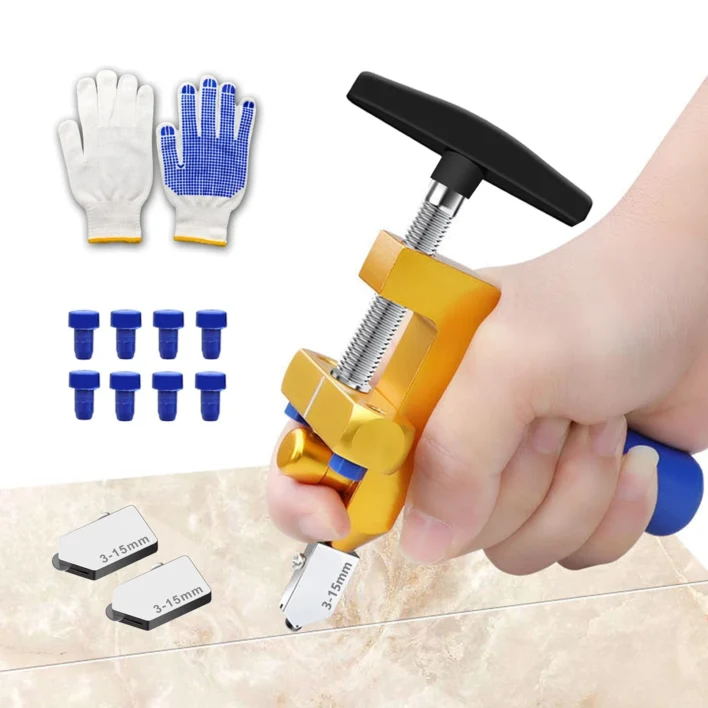
Scenario 1: Small Home Project
You’re replacing a few tiles in your kitchen.
👉 Manual tile cutter works perfectly.
You don’t need power tools for a handful of cuts.
Scenario 2: Full Bathroom Renovation
You’re cutting dozens of tiles, including corners and edges.
👉 Cordless tile cutter makes life easier.
It saves time and improves finish quality.
Scenario 3: First-Time DIY User
You’ve never cut tiles before.
👉 Start with manual.
It’s forgiving and simple.
Scenario 4: Professional Work
You need speed, precision, and flexibility.
👉 Cordless wins. Every time.
Best Tile Cutter for Home Use
There’s no one-size-fits-all answer.
Ask yourself:
- How many tiles will I cut?
- What type of tiles am I using?
- Do I need curved or detailed cuts?
- What’s my budget?
Quick Guide:
- Basic DIY → Manual cutter
- Advanced DIY → Cordless cutter
- Frequent use → Cordless cutter

Tile Cutter Buying Guide
Before you buy, keep these factors in mind.
1. Tile Material
- Ceramic → Manual works fine
- Porcelain → Go cordless
- Stone → Cordless only
2. Project Size
- Small → Manual
- Medium to large → Cordless
3. Cutting Style
- Straight lines → Manual
- Curves & angles → Cordless
4. Budget
- Low budget → Manual
- Flexible budget → Cordless
5. Skill Level
- Beginner → Manual
- Intermediate/Pro → Cordless
Common Mistakes People Make
Even with the right tool, mistakes happen.
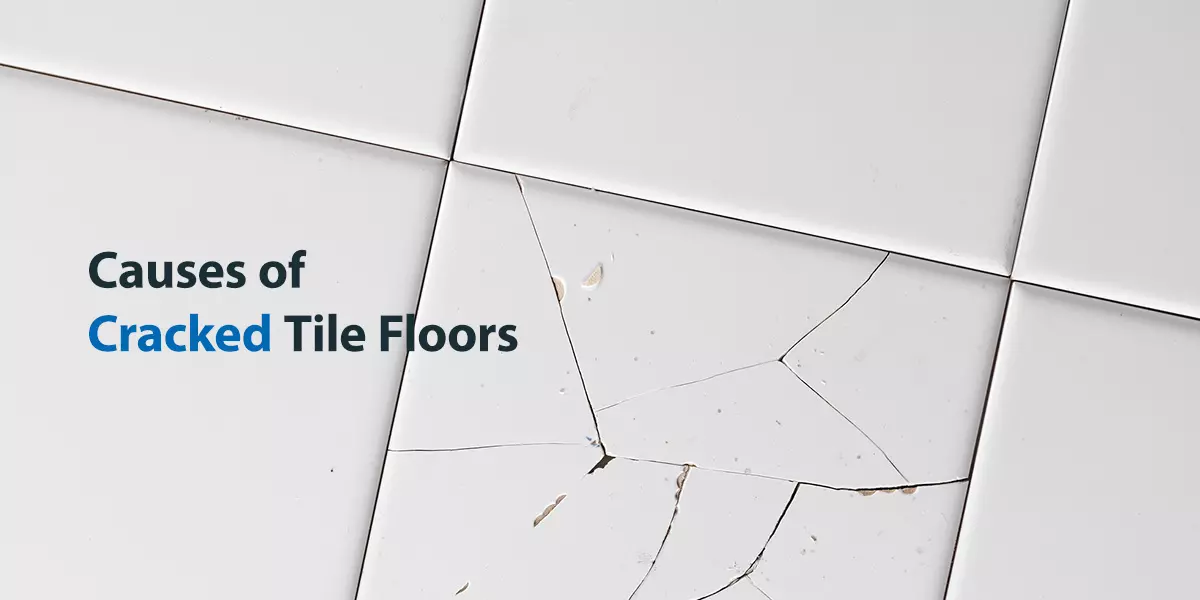
1. Using Manual Cutter on Hard Tiles
This often leads to cracks instead of clean cuts.
2. Rushing Cordless Cuts
Speed kills accuracy. Slow, steady cuts work best.
3. Ignoring Safety
Cordless cutters need proper handling. Always use safety gear.
4. Not Measuring Properly
Even the best cutter can’t fix bad measurements.
Which Tile Cutter Is More Accurate?
Let’s answer this clearly.
- For straight cuts → Both are accurate
- For detailed work → Cordless is more accurate
So accuracy depends on your needs.
When Should You Choose a Manual Tile Cutter?
Pick manual if:
- You’re working on small projects
- You want a simple tool
- You’re on a budget
- You only need straight cuts
It’s reliable, easy, and gets the job done.
When Should You Choose a Cordless Tile Cutter?

Choose cordless if:
- You need precision
- You’re cutting hard materials
- You’re working on large projects
- You want faster results
It offers more flexibility and power.
Final Verdict: Which Works Best?
Here’s the honest answer both tools work best in different situations.
- Manual tile cutter → Best for beginners and simple jobs
- Cordless tile cutter → Best for complex and professional work
If you’re still unsure, start with manual. Upgrade later when your projects demand more.
Quick Comparison Table
| Feature | Manual Tile Cutter | Cordless Tile Cutter |
|---|---|---|
| Ease of Use | Very easy | Moderate |
| Accuracy | Straight cuts | All types |
| Speed | Moderate | Fast |
| Cost | Low | High |
| Maintenance | Minimal | Moderate |
| Tile Types | Ceramic | All types |
| Portability | Excellent | Good |
A Practical Takeaway
Think of it like this:
A manual tile cutter is like a bicycle.
Simple, reliable, and perfect for short trips.
A cordless tile cutter is like a motorbike.
Faster, more powerful, but needs skill to handle.
Both get you to the destination – you just need the right one for your journey.
Frequently Asked Questions
Which is better: cordless or manual tile cutter?
A cordless tile cutter works better for complex cuts, hard tiles, and large projects. A manual tile cutter is ideal for simple, straight cuts and small DIY jobs.
Is a manual tile cutter good for beginners?
Yes, a manual tile cutter is one of the best tile cutting tools for beginners. It is easy to use, affordable, and requires no electricity or technical skills.
Can a manual tile cutter cut porcelain tiles?
Manual tile cutters can cut porcelain tiles, but only if the tile is not too thick. For heavy-duty porcelain, a cordless tile cutter gives better results and reduces breakage.
Which tile cutter is more accurate?
Manual tile cutters are accurate for straight cuts. Cordless tile cutters provide better accuracy for curved, angled, and detailed cuts.
What is the best tile cutter for home use?
The best tile cutter for home use depends on your project. For small DIY work, a manual cutter is enough. For larger or detailed work, a cordless tile cutter is a better choice.
Are cordless tile cutters worth it?
Yes, cordless tile cutters are worth it if you need speed, flexibility, and the ability to cut different tile materials like porcelain or stone.
What are the disadvantages of a manual tile cutter?
Manual tile cutters cannot handle curves, struggle with thick tiles, and may cause uneven breaks if used incorrectly.
Do cordless tile cutters need water?
Some cordless tile cutters support wet cutting to reduce dust and heat, but not all models require water. It depends on the tool design.
Which tile cutter is best for DIY projects?
For most DIY projects, a manual tile cutter is an affordable and practical choice. For advanced DIY work, a cordless tile cutter offers more versatility.
What should I look for when buying a tile cutter?
Look for tile compatibility, cutting accuracy, ease of use, portability, and budget. Your choice should match your project size and tile type.
Conclusion
The debate around electric vs manual tile cutter review isn’t about which tool is better overall. It’s about which tool is better for you.
If you value simplicity and affordability, manual is the way to go.
If you want precision and speed, cordless is worth the investment.
Choose based on your project not hype.
And remember: even the best tile cutter won’t fix a rushed job. Take your time, measure twice, and cut once.