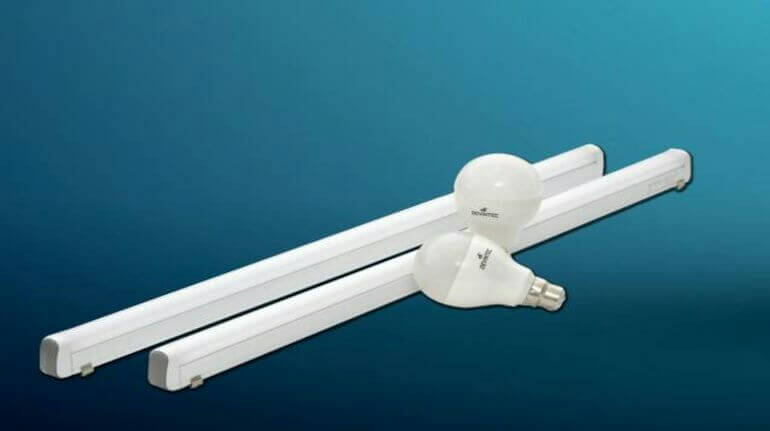
Choosing the right lighting for your home or office is not just about brightness. It directly affects your electricity bill, energy efficiency, and even your environmental footprint. Many people still ask the same question: what consumes more power – a light bulb or a tube light?
Let’s break it down in a simple, practical, and slightly entertaining way.
Understanding the Basics of Power Consumption
Before comparing anything, we need to understand one simple thing: power consumption depends on wattage.
- A higher wattage means more electricity usage.
- A lower wattage means better energy efficiency (usually).
But here’s where it gets interesting. Two lights can produce the same brightness while consuming very different amounts of power.
That’s why the real comparison is not just about watts – it’s about efficiency.
Light Bulb vs Tube Light Power Consumption
Let’s start with a straightforward comparison.
Traditional Light Bulbs (Incandescent)
- Typical wattage: 40W – 100W
- Efficiency: Low
- Heat output: Very high
- Lifespan: Short (around 1,000 hours)
These bulbs waste a lot of energy as heat. In fact, about 90% of the electricity turns into heat, not light. That’s basically like paying your electricity bill to warm the room… unintentionally.
Tube Lights (Fluorescent)
- Typical wattage: 18W – 40W
- Efficiency: Moderate to high
- Heat output: Low
- Lifespan: Longer (7,000–15,000 hours)
Tube lights produce more light per watt. So, even at lower wattage, they can light up a bigger space.
Quick Verdict
If we compare directly:
- A 60W bulb vs a 20W tube light
- Both can provide similar brightness
The tube light clearly uses less electricity.



Which Light Uses More Electricity?
Let’s answer this directly.
A traditional light bulb uses more electricity than a tube light.
Why?
- It needs higher wattage for the same brightness
- It wastes energy as heat
- It has lower energy efficiency
So, if you’re still using incandescent bulbs, your electricity meter is probably working harder than it needs to.
Tube Light vs Bulb Energy Efficiency
Energy efficiency is measured in lumens per watt (lm/W).
- Incandescent bulb: 10–15 lm/W
- Tube light: 50–100 lm/W
This means:
- Tube lights produce 3 to 5 times more light per unit of electricity
That’s not a small difference – it’s a major upgrade.
Wattage Comparison: Bulb and Tube Light
Here’s a simple comparison to make things crystal clear:
| Brightness Level | Bulb Wattage | Tube Light Wattage |
|---|---|---|
| Low | 40W | 18W |
| Medium | 60W | 20W–25W |
| High | 100W | 36W–40W |
So when you compare wattage:
Tube lights always win in efficiency.


LED vs Tube Light Power Usage
Now let’s add a modern twist – LEDs.
LED Lights
- Typical wattage: 8W – 24W
- Efficiency: Very high
- Lifespan: 25,000–50,000 hours
Compared to both bulbs and tube lights:
- LEDs use even less power
- They produce more brightness
- They last much longer
Example:
- 60W bulb → replaced by 9W LED
- 40W tube light → replaced by 18W LED tube
LEDs beat both options easily.
Electricity Cost of Bulb vs Tube Light
Let’s talk money. Because at the end of the day, your electricity bill matters most.
Example Calculation
Assume:
- Usage: 5 hours per day
- Electricity cost: ₹8 per unit
Incandescent Bulb (60W)
- Daily usage: 0.06 × 5 = 0.3 units
- Monthly: ~9 units
- Cost: ₹72/month
Tube Light (20W)
- Daily usage: 0.02 × 5 = 0.1 units
- Monthly: ~3 units
- Cost: ₹24/month
Difference:
You save ₹48 per month per light
Now imagine 10 lights in your house.
That’s ₹480 saved every month – just by switching.
Difference Between Bulb and Tube Light Consumption
Let’s summarize the core differences clearly:
1. Power Usage
- Bulb: High
- Tube light: Low
2. Efficiency
- Bulb: Poor
- Tube light: Good
3. Heat Output
- Bulb: High heat
- Tube light: Minimal heat
4. Lifespan
- Bulb: Short
- Tube light: Longer
5. Cost Over Time
- Bulb: Expensive
- Tube light: Cost-effective



Energy Saving Lighting Options
If you want to reduce electricity bills, here are your best options:
1. LED Lights
The best choice today. They save energy, last long, and provide excellent brightness.
2. LED Tube Lights
A direct upgrade from traditional tube lights.
3. CFLs (Compact Fluorescent Lamps)
Better than bulbs, but slowly becoming outdated due to LEDs.
Practical Tips to Reduce Lighting Power Consumption
Here are some simple, real-world tips:
Use the Right Wattage
Don’t over-light a room. Use only what you need.
Switch to LEDs
This is the biggest upgrade you can make.
Turn Off When Not Needed
Sounds basic, but it works every time.
Use Natural Light
Sunlight is free and surprisingly effective.
Choose Energy-Efficient Fixtures
Modern fixtures improve light distribution, reducing the need for higher wattage.
Common Myths About Light Power Consumption
Myth 1: Tube lights consume more power because they are bigger
Reality: Size doesn’t matter. Efficiency does.
Myth 2: Bulbs are cheaper
Reality: They cost less upfront, but more over time.
Myth 3: LEDs are too expensive
Reality: Prices have dropped significantly, and savings cover the cost quickly.
When Should You Choose a Tube Light?
Tube lights still make sense in certain situations:
- Large rooms
- Offices
- Kitchens
- Study areas
They provide wide and uniform lighting, which bulbs often cannot.
When Is a Bulb Still Useful?
Even though bulbs are inefficient, they still have some niche uses:
- Decorative lighting
- Warm ambient lighting
- Low-use areas
But for daily use? Not a great idea.
The Environmental Impact
Using inefficient lighting doesn’t just affect your wallet, it impacts the environment too.
- Higher electricity use = more power generation
- More power generation = more carbon emissions
Switching to efficient lighting helps reduce:
- Energy demand
- Pollution
- Carbon footprint
Final Verdict: Bulb or Tube Light?
Let’s settle it once and for all.
A light bulb consumes more power than a tube light.
And if we include modern options:
LEDs consume the least power of all.
Frequently Asked Questions
Which consumes more electricity, a bulb or a tube light?
A traditional incandescent bulb consumes more electricity than a tube light because it requires higher wattage to produce the same brightness.
Is a tube light more energy efficient than a bulb?
Yes, tube lights are more energy efficient. They produce more light per watt compared to traditional bulbs, reducing overall power consumption.
How much electricity does a tube light use per hour?
A typical tube light uses around 18 to 40 watts per hour, depending on its size and type.
Does a bulb increase electricity bill more than a tube light?
Yes, bulbs increase electricity bills more because they consume more power and have lower efficiency compared to tube lights.
Which is better for home use: bulb or tube light?
Tube lights are better for general home lighting due to their efficiency and brightness, while bulbs are better for decorative or low-light use.
What is the difference between bulb and tube light power consumption?
Bulbs consume more power and waste energy as heat, while tube lights use less electricity and convert more energy into visible light.
Are LED lights better than tube lights in power consumption?
Yes, LED lights consume less power than tube lights and provide better energy efficiency and longer lifespan.
How can I reduce lighting electricity consumption at home?
You can reduce consumption by switching to LED lights, using proper wattage, turning off unused lights, and maximizing natural lighting.
Conclusion
If you still use traditional bulbs, it might be time to upgrade. Tube lights offer better efficiency, lower electricity costs, and longer life. But if you really want the best performance, LEDs are the clear winner.
Lighting may seem like a small part of your home, but it has a big impact over time. Choose wisely, and your future electricity bills will thank you.