Both Instant Pots and slow cookers excel at meal prep, but they serve different needs. Instant Pots cook meals 70% faster through pressure cooking, making them ideal for busy schedules and last-minute batch cooking. Slow cookers offer hands-off convenience with 6-8 hour cook times, perfect for beginners who want set-and-forget simplicity. Choose an Instant Pot for speed and versatility, or a slow cooker for effortless, traditional flavors and lower upfront costs.
The Meal Prep Dilemma Every Home Cook Faces
Let’s be honest—meal prep can feel overwhelming. Between juggling work, family, and everything else life throws at you, finding time to cook healthy meals for the entire week seems nearly impossible. That’s exactly why electric cookers have become kitchen lifesavers for millions of home cooks.
But here’s where it gets confusing: Should you invest in an Instant Pot or stick with the tried-and-true slow cooker? Both promise to simplify your meal prep routine, but they work in completely different ways. One speeds through recipes in under an hour, while the other takes the scenic route, developing deep flavors over several hours.
The good news? By the end of this guide, you’ll know exactly which cooker matches your lifestyle, cooking style, and meal prep goals. Whether you’re a beginner just starting your meal prep journey or an experienced home cook looking to upgrade your kitchen arsenal, we’ve got you covered.
Ready to find your perfect meal prep partner? Let’s dive in!
Check Best Instant Pot Deals | Check Best Slow Cooker Deals
What Is an Instant Pot? Your Fast-Track to Meal Prep Success

An Instant Pot is essentially a multi-cooker that combines several kitchen appliances into one compact device. Think of it as a pressure cooker, slow cooker, rice cooker, steamer, and sauté pan all rolled into one countertop gadget.
The magic happens through pressure cooking. By trapping steam inside a sealed pot, the Instant Pot raises the internal temperature above normal boiling point, which dramatically speeds up cooking times. That tough chuck roast that normally takes 3-4 hours? Done in 45 minutes with fall-apart tenderness.
But speed isn’t the only advantage. Most Instant Pot models offer 7-9 cooking functions, letting you brown meat, cook rice, make yogurt, and even bake cheesecakes. For meal preppers, this versatility means you can handle multiple recipes without switching between different appliances.
The best instant pot for batch cooking typically has a 6-8 quart capacity, which is perfect for preparing 5-7 days of meals in one session. You can cook large batches of proteins, grains, and even complete one-pot meals that divide beautifully into weekly portions.

What Is a Slow Cooker? The Original Set-It-and-Forget-It Champion

A slow cooker (often called a Crock-Pot after the popular brand name) takes the opposite approach: low and slow cooking over 4-10 hours. You add your ingredients in the morning, set the temperature to low or high, and return home to a fully cooked meal that’s been gently simmering all day.
The extended cooking time works wonders for tenderizing tough cuts of meat like beef brisket, pork shoulder, and chicken thighs. The low temperature breaks down collagen and connective tissue gradually, resulting in incredibly tender, flavorful dishes. This gentle cooking method also allows flavors to meld and develop in ways that faster cooking simply can’t replicate.
Slow cookers are remarkably energy efficient, using about the same electricity as a standard light bulb—roughly 75-150 watts on low and 150-250 watts on high. Compare that to running your oven at 350°F, which uses around 2,000-5,000 watts, and you’ll understand why slow cookers are budget-friendly for long cooking sessions.
For hands-off cooking, nothing beats a slow cooker. You don’t need to monitor it, adjust temperatures, or worry about overcooking (within reason). This makes them ideal for busy professionals who want to prep ingredients before work and come home to dinner that’s ready to portion out for the week.
View Best Slow Cookers for Meal Prep
Side-by-Side Comparison: Instant Pot vs Slow Cooker for Meal Prep
| Factor | Instant Pot | Slow Cooker |
|---|---|---|
| Cooking Speed | 30-60 minutes for most meals | 4-10 hours depending on setting |
| Ease of Use | Moderate learning curve with multiple functions | Extremely simple—just set and forget |
| Flavor Development | Good, but faster cooking limits depth | Excellent deep, melded flavors |
| Meal Prep Capacity | 6-8 quarts standard (feeds 6-8 people) | 4-8 quarts available (feeds 4-10 people) |
| Versatility | 7-9 functions (pressure cook, slow cook, sauté, steam, etc.) | Primarily slow cooking only |
| Learning Curve | 2-3 weeks to master timing and functions | Immediate—ready from first use |
| Safety Features | Multiple sensors, lid locks, automatic shut-off | Basic temperature control, some auto-shutoff |
| Energy Efficiency | Higher wattage but shorter cooking time | Lower wattage over longer periods |
| Average Cost | $80-$150 for quality models | $30-$80 for quality models |
| Cleanup | Removable pot, gasket needs attention | Simple removable crock, very easy |
| Batch Cooking | Excellent for proteins and grains | Excellent for soups, stews, and braised dishes |
Instant Pot vs Slow Cooker for Meal Prep – Key Differences
The fundamental difference between these cookers comes down to time and temperature. Instant Pots use high pressure and high temperature to cook food rapidly, while slow cookers use low temperatures over extended periods to achieve tenderness and flavor development.
For meal prep specifically, this translates to different workflow advantages. With an Instant Pot, you can decide to meal prep on Sunday afternoon and finish everything within 2-3 hours of active and passive cooking time. The pressure cooking function dramatically reduces the time needed for tough cuts of meat, dried beans, and grain-based meals.
Slow cookers require advance planning. You’ll need to start your meal prep in the morning or the night before to have meals ready when you need them. However, this “set-and-forget” approach means zero supervision—you can literally leave home while your food cooks.

Another key difference is multitasking capability. Instant Pots let you brown meat using the sauté function before pressure cooking, eliminating the need for additional pans and stovetop work. Slow cookers typically require you to brown meats separately in a skillet before transferring everything to the crock, creating extra dishes to wash.
The Instant Pot’s sealed environment also retains more moisture and nutrients compared to slow cooking, where some liquid evaporates over the long cooking period. This makes Instant Pots slightly better for retaining vitamins and minerals in vegetables, though both methods are far superior to boiling.


Which Makes Better Flavors? The Taste Test Verdict
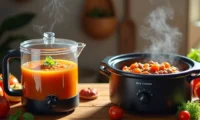
This is where slow cookers traditionally shine. The extended cooking time allows flavors to develop layers of complexity that pressured cooking struggles to match. When you simmer a beef stew for 8 hours, the aromatics break down completely, fats render slowly, and every ingredient has time to exchange flavors with the cooking liquid.
Slow cooker meal prep for beginners often produces more forgiving results because the gentle heat is hard to mess up. Overcook by an hour? Usually still delicious. The low-and-slow method naturally prevents burning and allows tougher cuts to reach that perfect fall-apart texture without drying out.
That said, Instant Pots have improved dramatically in the flavor department. Modern pressure cookers can produce deeply flavored dishes by using the sauté function to caramelize aromatics first, then building flavors during the pressure cooking phase. The sealed environment intensifies the concentration of flavors since nothing evaporates.
For certain dishes, the Instant Pot actually wins. Rice, beans, and grains cooked under pressure often have better texture and consistency than slow-cooked versions. Curries and chilis made in an Instant Pot can be surprisingly flavorful, especially if you take time to sauté your spices and aromatics first.
The real answer? It depends on what you’re cooking. For pot roasts, pulled pork, and traditional comfort foods, the slow cooker delivers superior depth. For weeknight curries, rice bowls, and bean-based meals, the Instant Pot provides excellent flavor in a fraction of the time.
Which Saves More Time for Weekly Meal Prep?
Let’s break down a typical Sunday meal prep session for both devices. With an Instant Pot, you can realistically prepare three different meal components in 2-3 hours. Start by pressure cooking a batch of chicken breasts (20 minutes), then cook brown rice (22 minutes), and finish with a pot of black beans (25 minutes). Factor in pressure build-up and natural release times, and you’re looking at roughly 45 minutes per recipe.
The time comparison instant pot vs crockpot becomes dramatic when you’re in a hurry. If you forgot to meal prep and need dinner ready in an hour, only the Instant Pot can save you. Throw in frozen chicken, vegetables, and broth, and you’ll have soup ready in 30-40 minutes from frozen solid ingredients.

Slow cookers require 4-8 hours minimum, which means you need to plan ahead. However, they offer a unique time-saving advantage: completely passive cooking. You can prep ingredients the night before, refrigerate the removable crock, then turn it on before leaving for work. When you return, dinner is ready with zero supervision required during the cooking process.
For weekend meal preppers with flexible schedules, Instant Pots win on pure speed. You can accomplish in one afternoon what would take all day with slow cookers. But for working professionals who prefer morning prep before heading to the office, slow cookers offer unmatched convenience despite longer cooking times.
One often-overlooked advantage of Instant Pots is the ability to cook multiple recipes in sequence during one session. Because cooking times are short, you can prepare proteins, then grains, then a soup—all in the same afternoon without needing multiple appliances.
Meal Prep Containers (BPA Free)
Which Is Easier for Beginners? The Learning Curve Breakdown
Slow cookers are undeniably more beginner-friendly. The learning curve is virtually nonexistent: choose low or high heat, add ingredients, set the timer, and walk away. There are no complex buttons, no pressure release valves, and no special techniques to master. Most easy crockpot meal prep ideas follow the same simple formula: add protein, vegetables, liquid, and seasoning, then cook on low for 6-8 hours.
New cooks appreciate that slow cookers are extremely forgiving. Miss your timer by an hour? Your meal will likely still be perfectly edible. Forget to add enough liquid? The long cooking time gives you opportunities to check and adjust. This forgiveness makes slow cookers ideal for those still building confidence in the kitchen.
Instant Pots have a steeper learning curve that intimidates many beginners. The control panel looks complicated with numerous buttons and functions. Understanding pressure release methods (natural vs. quick release) takes practice, and the sealed lid can feel scary to first-time users who worry about safety.
However, once you overcome the initial intimidation, Instant Pots become quite intuitive. Most models include preset buttons for common foods like rice, soup, and meat, which removes guesswork. The learning curve typically takes 2-3 weeks of regular use, during which you’ll experiment with timing and liquid ratios.
The biggest beginner mistake with Instant Pots is not adding enough liquid, which can trigger burn warnings. With slow cookers, beginners often add too much liquid, resulting in watery dishes. Both issues are easily corrected once you understand each appliance’s quirks.
For absolute beginners who want immediate success, start with a slow cooker. For motivated learners willing to invest a few weeks mastering a more versatile tool, the Instant Pot pays dividends in the long run.
Slow Cooker Liners For Easy Cleanup


Which One Is Better for Batch Cooking Large Quantities?
Both appliances excel at batch cooking, but they handle large quantities differently. Standard Instant Pots come in 6-quart and 8-quart sizes, with the 8-quart version being ideal for meal prep. You can cook 4-5 pounds of chicken breasts, 3-4 pounds of beef roast, or enough rice to feed 10-12 people in a single batch.
The limitation with Instant Pots is the maximum fill line. For safety reasons, you can only fill the pot 2/3 full for most foods, or 1/2 full for foods that expand like rice and beans. This means an 8-quart Instant Pot actually holds about 5-6 quarts of usable cooking space.

Slow cookers often come in larger sizes—up to 10 quarts—making them excellent for big families or serious meal preppers. A 7-quart slow cooker can easily handle a 6-pound pork shoulder or enough chili to feed 12-15 people. The wide, shallow design also makes it easier to fit large cuts of meat like whole chickens or multiple layers of food.
For instant pot weekly meal prep ideas, the pressure cooker’s speed allows you to run multiple batches in one afternoon if needed. Cook a batch of protein, transfer to meal prep containers, then immediately start another batch. This sequential batch cooking is impractical with slow cookers due to extended cooking times.
Slow cookers shine when you need to prepare massive quantities of soups, stews, or chilis. The long cooking time naturally accommodates large volumes of liquid and ingredients, whereas Instant Pots can struggle with very large batches due to pressure build-up time increasing with volume.
If you’re regularly cooking for 6+ people or doing bi-weekly meal prep, consider getting both. Use the Instant Pot for proteins and grains, and the slow cooker for soups and braised dishes. Many serious meal preppers find this combo provides maximum flexibility.
Safety Features: Peace of Mind While Cooking
Modern Instant Pots incorporate impressive safety features that address common pressure cooker concerns. They include lid lock sensors that prevent opening while under pressure, temperature sensors that detect overheating, automatic pressure regulators, and anti-blockage vents. Most models have 10-12 built-in safety mechanisms, making them significantly safer than stovetop pressure cookers.
The sealed design of Instant Pots means there’s no risk of splattering hot food, and the automatic shut-off prevents burning if you forget to turn it off. However, the pressure release valve can spray hot steam, which requires caution during quick release. Always release pressure away from cabinets and your face.
Slow cookers have simpler safety profiles with fewer potential issues. The main concern is leaving them unattended for long periods, though modern programmable slow cookers automatically switch to a warm setting after cooking completes. The ceramic crock gets very hot during cooking, so burns are possible when removing it from the base.
Fire risk is minimal for both appliances when used correctly. Slow cookers have been certified safe for unattended cooking by most fire safety organizations, provided you follow basic guidelines: place on a stable, heat-resistant surface away from walls and flammable materials, don’t overfill, and ensure the cord isn’t damaged.
For households with children or pets, both appliances require supervision. The exterior of Instant Pots gets warm but not dangerously hot, while slow cookers have exposed hot surfaces that can cause burns. Always place both appliances on high counters or in areas away from curious hands and paws.
Cost Comparison: Which Is Better for Your Budget?
Slow cookers are the budget-friendly option, with quality models starting around $30-40. A reliable 6-quart programmable slow cooker from brands like Hamilton Beach or Crock-Pot typically costs $50-80, and these appliances can last 5-10 years with proper care.
Entry-level Instant Pots start around $80-100, with the popular 6-quart Duo model usually priced at $100-130. Premium models with additional features like WiFi connectivity, larger capacity, or air frying functions can reach $150-250. However, the versatility means you’re replacing multiple appliances with one device.

Operating costs favor slow cookers slightly. They use 75-250 watts of electricity over long cooking periods, typically costing 15-30 cents per 8-hour cooking session depending on local electricity rates. Instant Pots use 1000-1200 watts but only for 30-60 minutes, resulting in similar energy costs per meal—usually 10-25 cents.
The real cost consideration is appliance lifespan and replacement parts. Slow cookers have fewer components that can fail, mainly just the heating element and timer. Instant Pots have more complex electronics and require periodic gasket replacement ($8-15) every 12-18 months to maintain proper sealing.
For cost-conscious meal preppers, start with a slow cooker to build your routine, then add an Instant Pot later if you find yourself wanting more speed and versatility. This staged approach spreads the investment over time while letting you discover which cooking style suits your lifestyle.
Cleaning and Maintenance: The Real Daily Reality
Let’s talk about cleanup—because nobody loves meal prep if it creates a kitchen disaster. Slow cookers win hands-down for easy maintenance. Most models have a removable ceramic or stoneware crock that goes directly in the dishwasher. Wipe down the heating base with a damp cloth, and you’re done. The simple design means fewer crevices for food to hide.
Using slow cooker liners takes convenience even further. These disposable bags line the crock, containing all the mess. After cooking, simply lift out the liner and dispose—the crock stays spotless. Perfect for sticky, saucy dishes that would otherwise require serious scrubbing.
Instant Pots require more attention to cleaning. The removable stainless steel pot is dishwasher-safe and relatively easy to clean, but the lid assembly needs careful maintenance. The sealing gasket absorbs odors and requires regular removal and washing. Anti-block shields and float valves need periodic checking to ensure no food particles obstruct the pressure mechanism.
The gasket issue frustrates some users. Strong-smelling foods like curry or chili can leave lingering odors in the silicone ring. Many meal preppers buy extra gaskets ($8-15) to dedicate one for savory foods and another for neutral dishes. Some users simply air out the gasket after each use or soak it in vinegar water to neutralize smells.
Steam condensation is another Instant Pot maintenance point. The condensation cup catches moisture during pressure release and needs regular emptying and cleaning. Forgetting this small component can lead to musty odors over time.
Overall cleaning time: Slow cookers take 2-5 minutes to clean, while Instant Pots require 5-10 minutes when you factor in lid components and gasket care. Neither is difficult, but slow cookers are objectively less fussy about maintenance.
Recipe Flexibility and Versatility: Beyond Basic Meal Prep
Instant Pots dominate the versatility category with 7-9 cooking functions in most models. Beyond pressure cooking and slow cooking, you get sauté/browning, rice cooking, steaming, yogurt making, and sometimes even sous vide and air frying in premium models. This means you can sear meat, build fond, then pressure cook—all in the same pot.
For instant pot meal prep recipes for beginners, the appliance handles diverse cuisines effortlessly. Make perfect rice for Asian-inspired bowls, pressure-cook beans for Mexican meals, steam vegetables for Mediterranean dishes, and create rich curries for Indian cuisine. The quick-cook capability lets you experiment with recipes without committing hours to dishes you might not love.
Slow cookers are more specialized but excel within their niche. They’re unbeatable for soups, stews, chilis, pot roasts, pulled meats, and braised dishes. The gentle heat and moisture-rich environment create fork-tender results that are hard to replicate with other cooking methods.
One underrated slow cooker application is breakfast meal prep. Overnight oats, breakfast casseroles, and steel-cut oatmeal cook perfectly while you sleep. Set it on low at bedtime, wake up to hot breakfast, then portion it out for the week. Instant Pots can’t safely run unattended overnight, making slow cookers the winner for this specific meal prep strategy.
Instant Pots shine for one-pot complete meals. Throw in chicken, rice, vegetables, and broth, and pressure cook everything together. This reduces prep time and dishwashing compared to cooking components separately. Slow cookers can do this too, but the textures sometimes suffer as vegetables can become mushy over long cooking times.
For meal preppers who want maximum recipe flexibility and enjoy trying new cooking techniques, the Instant Pot’s versatility justifies the higher cost. For those who primarily make soups, stews, and braised meats, the slow cooker’s specialization is perfectly adequate.
Instant Pot vs Slow Cooker – Which One is Better for Meal Prep?
Meal prep can feel like a full-time job. You plan, chop, cook, portion, and repeat. The right kitchen appliance can cut that workload in half—or at least make it far less painful.
That’s where the debate begins: Instant Pot vs Slow Cooker. Which one actually works better for meal prep? Which saves time, energy, and effort? And most importantly—what should you buy?
Let’s break it down in a clear, honest, and practical way.
What Is an Instant Pot?
An Instant Pot is a multi-functional electric pressure cooker. It cooks food quickly by trapping steam and building pressure inside the pot.
Most models also work as:
- Rice cookers
- Yogurt makers
- Steamers
- Sauté pans
Why People Love It
The biggest selling point is speed. You can cook meals that usually take hours in under 30 minutes.
What Is a Slow Cooker?
A slow cooker (often called a Crockpot) cooks food at low temperatures over several hours. It’s simple, reliable, and almost impossible to mess up.
You add your ingredients, turn it on, and let it do its thing.
Why People Love It
It’s hands-off. You can start cooking in the morning and come home to a ready meal.
Instant Pot vs Slow Cooker: Key Differences
Understanding the slow cooker vs pressure cooker differences helps you decide faster.
1. Cooking Speed
- Instant Pot: Fast. Very fast.
- Slow Cooker: Slow… as the name suggests
An Instant Pot can cook beans in about 30 minutes. A slow cooker might take 6–8 hours.
2. Cooking Method
- Instant Pot uses high pressure and steam
- Slow cooker uses low, steady heat
This changes both texture and flavor.
3. Ease of Use
- Slow cooker: Set it and forget it
- Instant Pot: Slight learning curve
The Instant Pot has buttons, modes, and settings. It’s not complicated, but it’s not as simple as a slow cooker.
4. Flavor Development
Slow cooking allows flavors to develop gradually. That’s why stews and soups often taste richer.
Instant Pot cooks quickly, but sometimes sacrifices depth unless you adjust techniques.
Instant Pot vs Slow Cooker Pros and Cons
Let’s keep it real. Both appliances have strengths and weaknesses.
Instant Pot Pros
- Saves time
- Multi-functional
- Great for batch cooking
- Keeps nutrients better due to shorter cooking time
- Ideal for busy schedules
Instant Pot Cons
- Learning curve
- Requires pressure release (you can’t just open it instantly)
- Texture can differ from traditional slow-cooked meals
Slow Cooker Pros
- Very easy to use
- Great for beginners
- Enhances flavor over time
- Perfect for soups, stews, and comfort food
Slow Cooker Cons
- Takes hours
- Less versatile
- Can overcook food if left too long
Instant Pot vs Slow Cooker Cooking Time Comparison
Here’s a quick reality check:
| Dish | Instant Pot | Slow Cooker |
|---|---|---|
| Chicken Curry | 20–30 mins | 4–6 hours |
| Beans (dry) | 25–40 mins | 6–8 hours |
| Beef Stew | 35–45 mins | 6–8 hours |
| Rice | 5–10 mins | Not ideal |
This instant pot vs slow cooker cooking time comparison clearly shows one thing:
If time matters, the Instant Pot wins.
Meal Prep with Instant Pot vs Slow Cooker
Now let’s talk about what actually matters—meal prep.
Instant Pot for Meal Prep
The Instant Pot works great when you:
- Cook in bulk quickly
- Prep multiple meals in one session
- Need flexibility
You can cook rice, beans, lentils, and proteins back-to-back in under an hour.
Slow Cooker for Meal Prep
The slow cooker fits better when:
- You prep overnight or during work hours
- You want hands-off cooking
- You prefer rich, slow-developed flavors
Verdict for Meal Prep
If you want speed and efficiency, go with Instant Pot.
If you want convenience and flavor, go with slow cooker.
Which Is Better: Instant Pot or Crockpot?
This is one of the most searched questions: which is better instant pot or crockpot?
The honest answer: it depends on your lifestyle.
Choose Instant Pot if:
- You’re always short on time
- You cook frequently
- You want one appliance that does many things
Choose Slow Cooker if:
- You prefer simple cooking
- You don’t mind long cooking times
- You love traditional slow-cooked flavors
Best Appliance for Batch Cooking Meals
Batch cooking means preparing large quantities of food at once.
Instant Pot Wins Here
Why?
- Faster cooking cycles
- Ability to cook multiple dishes in sequence
- Pressure cooking handles bulk ingredients easily
You can cook 3–4 meals in the time a slow cooker finishes one.
Instant Pot Benefits for Busy People
If your schedule looks like chaos, the Instant Pot becomes your best friend.
Key Benefits
- Cuts cooking time drastically
- Reduces last-minute stress
- Allows quick meal prep after work
- Handles frozen ingredients well
You don’t need to thaw chicken for hours. Just toss it in and cook.
Slow Cooker Recipes vs Instant Pot Recipes
Both appliances shine in different recipes.
Best Slow Cooker Recipes
- Chili
- Beef stew
- Pulled pork
- Lentil soups
These dishes benefit from long cooking times.
Best Instant Pot Recipes
- Rice and grains
- Curries
- Beans
- Chicken dishes
These recipes need speed without sacrificing too much quality.
Which Is More Energy Efficient: Instant Pot or Slow Cooker?
Let’s talk about energy use.
Instant Pot
- Uses higher power
- Runs for shorter time
Slow Cooker
- Uses lower power
- Runs for several hours
The Bottom Line
The Instant Pot often ends up being more energy efficient because it cooks faster. Even though it uses more power per minute, it runs for less time overall.
Taste and Texture: Does It Really Matter?
Yes. A lot.
Slow Cooker
- Tender meat
- Deep flavors
- Slight caramelization over time
Instant Pot
- Soft and moist
- Less layered flavor
- Great for quick meals
If you care deeply about taste, slow cooking still holds an edge.
Cleaning and Maintenance
Nobody likes cleaning. Let’s keep this simple.
Instant Pot
- More parts
- Lid requires extra cleaning
Slow Cooker
- Fewer parts
- Easier to clean
If low maintenance matters, slow cooker wins.
Safety Comparison
Both appliances are safe when used properly.
Instant Pot
Modern models include:
- Pressure release valves
- Locking lids
- Temperature control
Slow Cooker
- Very low risk
- No pressure involved
If safety worries you, slow cooker feels more comfortable.
Price Comparison
Instant Pot
- Usually more expensive
- Offers multiple functions
Slow Cooker
- Budget-friendly
- Does one job well
If you want value for money, Instant Pot gives more features.
If you want something cheap and simple, go slow cooker.
Who Should Buy an Instant Pot?
Choose Instant Pot if you:
- Live a busy lifestyle
- Want fast cooking
- Like experimenting in the kitchen
- Need multi-purpose functionality
Who Should Buy a Slow Cooker?
Choose Slow Cooker if you:
- Prefer simple cooking
- Love slow-cooked meals
- Want minimal effort
- Cook while you’re away from home
Final Verdict: Instant Pot vs Slow Cooker
Let’s settle this once and for all.
Choose Instant Pot if:
You want speed, efficiency, and flexibility. It’s perfect for modern lifestyles and fast meal prep.
Choose Slow Cooker if:
You want simplicity, comfort food, and rich flavors without constant attention.
The Honest Truth
There’s no universal winner.
The real answer to “Instant Pot vs Slow Cooker – which one is better for meal prep?” is:
👉 The best appliance is the one that fits your routine.
Pro Tip (That Most People Ignore)
You don’t actually have to choose.
Many home cooks use both:
- Instant Pot for quick weekday meals
- Slow cooker for weekend or overnight cooking
It’s not a competition. It’s a strategy.
Frequently Asked Questions
Is an Instant Pot better than a slow cooker for meal prep?
Yes, an Instant Pot works better for meal prep if you want faster cooking and flexibility. A slow cooker suits people who prefer hands-off cooking and richer flavors over time.
What is the difference between a slow cooker and a pressure cooker?
A slow cooker uses low heat over several hours, while a pressure cooker (Instant Pot) cooks food quickly using high-pressure steam. This leads to faster cooking but slightly different textures.
Which is more energy efficient: Instant Pot or slow cooker?
The Instant Pot is usually more energy efficient because it cooks food much faster, even though it uses higher power for a shorter time.
Can Instant Pot replace a slow cooker?
Yes, an Instant Pot can replace a slow cooker since it includes a slow cook function. However, traditional slow cookers often produce deeper flavors for certain dishes.
Which is better for batch cooking meals?
The Instant Pot is better for batch cooking because it cooks large quantities quickly and allows multiple recipes to be prepared in less time.
Do slow cookers make food taste better than Instant Pots?
Slow cookers often create richer and deeper flavors because food cooks slowly over time. Instant Pots focus more on speed than flavor development.
Is Instant Pot good for beginners?
Yes, but it has a small learning curve. Once you understand the basic settings, it becomes very easy to use for everyday cooking.
What meals are best for a slow cooker?
Slow cookers work best for soups, stews, chili, and tough cuts of meat that benefit from long cooking times.
What meals are best for an Instant Pot?
Instant Pots are ideal for rice, beans, curries, chicken dishes, and quick one-pot meals.
Should I buy an Instant Pot or a slow cooker?
Buy an Instant Pot if you need speed and versatility. Choose a slow cooker if you prefer simple cooking and don’t mind longer cooking times.
Conclusion
Meal prep becomes easier when your tools match your lifestyle.
The Instant Pot offers speed and versatility. The slow cooker delivers simplicity and depth of flavor.
Both solve real problems. Both save time in different ways.
So instead of asking which one is better, ask:
Which one makes your life easier?
That’s the only answer that truly matters.