- Research and Planning: Before setting out, gather as much information as possible about the trail. Study the terrain, climate, and potential hazards. Plan your route and schedule, and be flexible to adapt to changing conditions.
- Physical Fitness: Ensure you are in good physical condition. Training hikes, strength training, and cardio exercises can help build the endurance and strength needed for the trail.
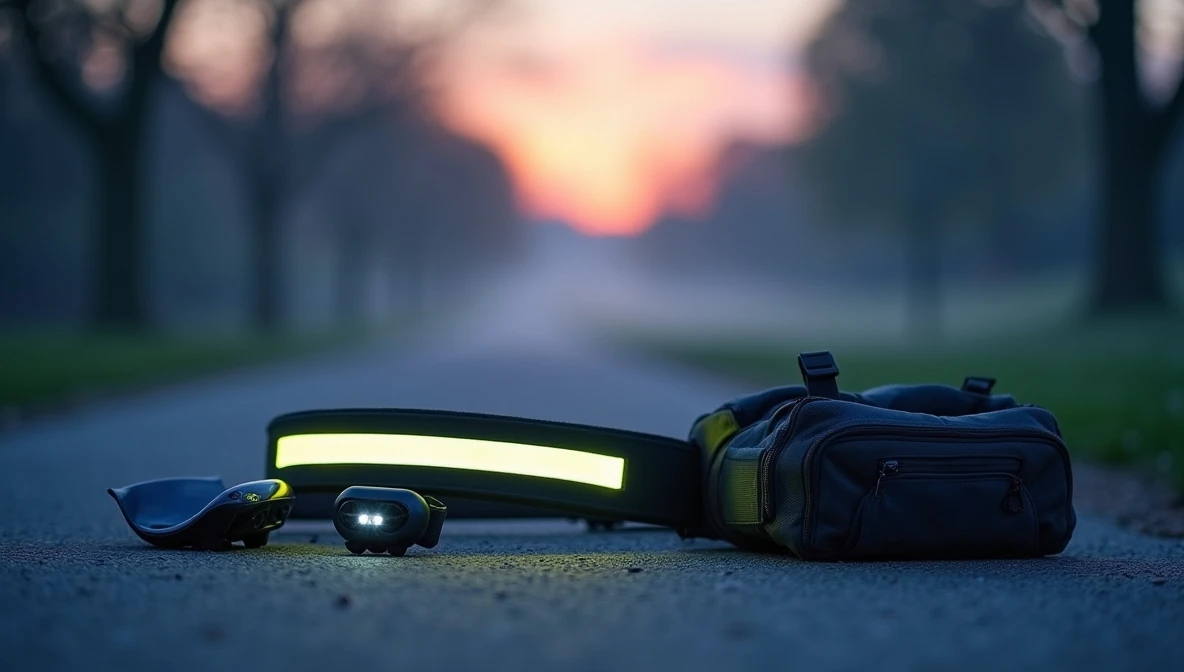
- Gear and Supplies: Invest in high-quality gear, including a sturdy backpack, reliable footwear, and weather-appropriate clothing. Carry essential supplies such as a first-aid kit, navigation tools, water purification methods, and enough food.
- Safety Devices: Consider carrying a personal locator beacon (PLB) or a satellite messenger device. These can send distress signals and your GPS location in case of an emergency, even when there is no cell service.
- Leave No Trace Principles: Familiarize yourself with Leave No Trace principles to minimize your impact on the environment. This not only helps preserve the trail but also promotes safety by reducing encounters with wildlife attracted to food or waste.
Personal Stories and Insights
Many solo hikers have successfully completed the Appalachian Trail and shared their experiences. These stories provide valuable insights and inspiration for those considering a solo hike.
Katherine’s Journey: Katherine set out on the Appalachian Trail alone to challenge herself and find solitude. She emphasizes the importance of mental preparation, as the isolation can be both a blessing and a challenge. Katherine relied on a network of fellow hikers she met along the way, forming temporary alliances for companionship and safety.
John’s Experience: John, a seasoned hiker, undertook the trail solo to reconnect with nature. His advice is to embrace the solitude and use it as an opportunity for self-discovery. He also highlights the camaraderie among hikers, noting that even when hiking alone, you are rarely truly isolated as the trail community is supportive and close-knit.
Benefits of Hiking Alone
Despite the risks, there are significant benefits to hiking the Appalachian Trail alone:
Is It Safe to Hike the Appalachian Trail Alone?
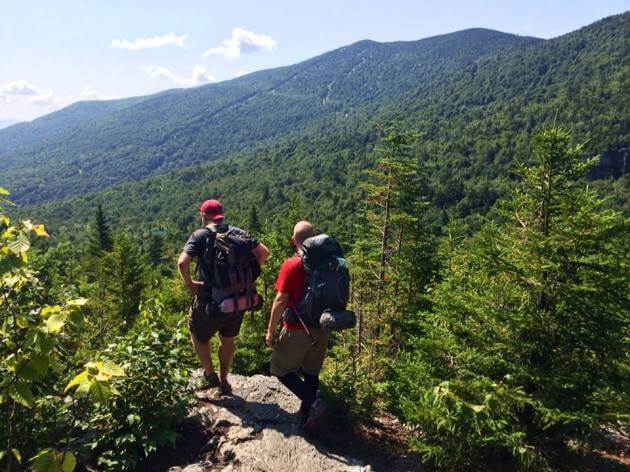
Hiking the Appalachian Trail alone sounds like a bold, freeing adventure. It also raises a very real question: is it actually safe?
The short answer? Yes – but only if you prepare properly and respect the risks.
This guide breaks down the real dangers, safety statistics, and practical steps you can take. No fluff. No fear-mongering. Just clear, useful advice for anyone considering a solo hike.
Understanding the Appalachian Trail
The Appalachian Trail (AT) stretches over 2,190 miles across 14 states, from Georgia to Maine. Thousands of hikers attempt it every year. Many of them go solo.
You’ll pass through remote forests, small towns, and mountain ranges. Some sections feel busy and social. Others feel completely isolated.
That mix creates both opportunity and risk.
Is It Safe to Hike the Appalachian Trail Alone?
Yes, it can be safe. But safety depends on your decisions, preparation, and awareness.
Most solo hikers complete sections or even the entire trail without serious problems. However, things can go wrong. Nature doesn’t care if you’re confident or inexperienced.
The key is simple:
👉 Prepared hikers reduce risk. Unprepared hikers invite it.



Appalachian Trail Crime Statistics & Safety Reality
Let’s address one of the biggest concerns: crime.
Crimes on the Appalachian Trail are rare, especially considering how many people hike it every year. Violent incidents do happen, but they are extremely uncommon.
Most hikers never experience any criminal activity.
Here’s what matters more:
- You are far more likely to face weather-related risks
- Injuries and accidents happen more often than crime
- Poor planning leads to most emergencies
So while headlines may scare you, the real danger usually comes from nature and human error – not other hikers
Real Dangers of Hiking the Appalachian Trail Alone
Solo hiking comes with real challenges. Ignoring them is a mistake.
1. Weather Can Turn Fast
Mountain weather changes quickly. A sunny morning can become a storm within hours.
Hypothermia is a real risk even in warmer months.
2. Injuries Become More Serious Alone
A twisted ankle feels manageable until you realize no one is around to help.
Solo hikers must handle:
- Falls
- Blisters turning into infections
- Dehydration
- Fatigue
3. Getting Lost
The AT is well-marked, but mistakes still happen.
A missed turn can cost hours or worse.
4. Wildlife Encounters
Black bears live along the trail. So do snakes and smaller animals.
Most wildlife avoids humans, but poor food storage can create problems.
5. Mental Fatigue
Solo hiking isn’t just physical.
Long days alone can affect your mood, focus, and decision-making.
Solo Hiking Appalachian Trail Safety Tips
Now let’s focus on what actually keeps you safe.
Plan Your Route Carefully
Don’t “wing it.”
Know:
- Daily mileage targets
- Water sources
- Shelter locations
- Exit points
Good planning reduces stress and mistakes.
Tell Someone Your Plan
Always share your itinerary.
Include:
- Start and end points
- Expected dates
- Check-in times
If something goes wrong, this step can save your life.
Start with Shorter Sections
Don’t jump straight into a thru-hike.
Try:
- Weekend hikes
- Week-long sections
Build confidence before going all-in.
Trust Your Instincts
If something feels off, act on it.
- Leave the area
- Change your plan
- Stay near other hikers
Your gut often spots danger before your brain explains it.
Stay Visible but Not Vulnerable
Balance matters.
- Be friendly with other hikers
- Avoid oversharing personal details
- Stay aware of your surroundings



Appalachian Trail Solo Female Hikers Safety
Many women hike the Appalachian Trail alone every year and complete it successfully.
Still, extra awareness helps.
Practical Tips for Solo Female Hikers
- Camp near shelters or other hikers when possible
- Avoid isolated areas if something feels uncomfortable
- Keep communication devices accessible
- Carry a whistle or alarm
Confidence matters, but awareness matters more.
Solo Backpacking Appalachian Trail Guide
Solo backpacking requires more than courage. You need systems.
Build a Routine
Routine reduces mistakes.
- Set up camp the same way every night
- Keep gear organized
- Check essentials daily
Manage Energy Levels
Overexertion causes injuries.
- Take regular breaks
- Eat consistently
- Hydrate often
Know When to Stop
Pushing too hard leads to poor decisions.
Stopping early is smarter than pushing late.
How to Stay Safe on Long Distance Hikes
Long-distance hiking adds layers of complexity.
Monitor Weather Daily
Check forecasts whenever possible.
Storms and cold snaps don’t care about your schedule.
Stay Hydrated
Dehydration sneaks up fast.
Always:
- Carry enough water
- Treat water sources properly
Maintain Foot Care
Your feet are your engine.
- Keep them dry
- Treat hotspots early
- Change socks regularly
Keep Navigation Tools Ready
Don’t rely on one method.
Use:
- Maps
- Apps
- Trail markers
Backup systems matter.



Solo Hiking Gear Checklist (AT)
Your gear can make or break your hike.
Essentials
- Backpack (properly fitted)
- Tent or shelter
- Sleeping bag
- Sleeping pad
Safety Gear
- First aid kit
- Headlamp
- Emergency whistle
- Multi-tool
Navigation & Communication
- Map and compass
- GPS or hiking app
- Power bank
Food & Water
- Water filter
- Lightweight stove
- High-calorie food
Clothing
- Weather-appropriate layers
- Rain gear
- Extra socks
Optional but Smart
- Personal locator beacon (PLB)
- Trekking poles
- Bear bag or canister
Appalachian Trail Safety Precautions You Should Never Skip
Some precautions aren’t optional.
Follow Leave No Trace Principles
Respect the environment.
- Pack out all waste
- Avoid damaging nature
- Use designated campsites
Store Food Properly
Improper storage attracts animals.
Use:
- Bear bags
- Bear-proof containers
Keep Emergency Contacts Accessible
Write them down.
Don’t rely only on your phone.
Stay on the Trail
Shortcuts cause problems.
Stick to marked paths.
Tips for First-Time Solo Thru Hike
Thinking about hiking the entire Appalachian Trail alone? Start smart.
Go Slow
Speed doesn’t impress anyone.
Consistency does.
Learn From Other Hikers
You’re solo but not isolated.
Talk to others. Share tips.
Accept That Plans Change
Weather, injuries, and fatigue will force adjustments.
Flexibility keeps you safe.
Don’t Chase Perfection
Some days will feel tough.
That’s normal.
Common Mistakes Solo Hikers Make
Avoid these, and your safety improves instantly.
- Overpacking heavy gear
- Underestimating weather
- Ignoring early signs of injury
- Skipping planning
- Relying only on digital tools
The Mental Side of Solo Hiking
Solo hiking tests your mindset.
You’ll Experience:
- Silence
- Self-doubt
- Moments of clarity
Some people love it. Others struggle.
The key is staying mentally steady.
Pros of Hiking the Appalachian Trail Alone
- Full freedom over your schedule
- Strong personal growth
- Deeper connection with nature
- No compromise on pace
Cons of Hiking Alone
- No immediate help in emergencies
- Loneliness
- More responsibility
- Higher mental pressure
Frequently Asked Questions (FAQs)
Is it dangerous to hike the Appalachian Trail alone?
No, it is not inherently dangerous, but risks exist. Most solo hikers complete the trail safely. Weather, injuries, and poor planning pose bigger risks than crime. Proper preparation significantly reduces danger.
How common is crime on the Appalachian Trail?
Crime on the Appalachian Trail is rare. Millions of people visit the trail, and serious incidents are extremely uncommon. Most safety concerns relate to natural hazards rather than human threats.
Can beginners hike the Appalachian Trail solo?
Yes, beginners can hike solo, but they should start with shorter sections first. Building experience, testing gear, and learning basic navigation skills improves safety before attempting longer hikes.
Is the Appalachian Trail safe for solo female hikers?
Yes, many women safely hike the trail alone every year. Staying aware, camping near others when possible, and trusting instincts are key safety practices for solo female hikers.
What are the biggest dangers on the Appalachian Trail?
The most common dangers include:
– Sudden weather changes
– Injuries and fatigue
– Dehydration
– Getting lost
– Wildlife encounters
These risks are manageable with proper planning.
What safety gear do I need for solo hiking the Appalachian Trail?
Essential safety gear includes:
– First aid kit
– Navigation tools (map, compass, GPS)
– Headlamp
– Emergency whistle
– Water filter
– Reliable shelter
A personal locator beacon is also recommended.
How do I stay safe while hiking alone?
To stay safe:
– Plan your route in advance
– Share your itinerary
– Check weather updates
– Stay on marked trails
– Carry proper gear
– Listen to your instincts
Is it better to hike the Appalachian Trail alone or with a group?
Both options are safe if done properly. Solo hiking offers freedom and flexibility, while group hiking provides support and companionship. The best choice depends on your experience and comfort level.
Do you need a permit to hike the Appalachian Trail?
Most sections do not require permits, but some areas (like national parks) do. Always check regulations for the specific section you plan to hike.
How many people hike the Appalachian Trail each year?
Thousands of hikers attempt the Appalachian Trail annually, including many solo hikers. This steady traffic makes parts of the trail feel less isolated than expected.
Final Verdict: Should You Hike the Appalachian Trail Alone?
Yes, if you prepare, respect the risks, and stay aware.
Solo hiking isn’t reckless. Poor planning is.
If you:
- Train properly
- Pack smart
- Stay alert
…then hiking the Appalachian Trail alone can be one of the most rewarding experiences of your life.
Quick Safety Checklist
Before you go, ask yourself:
- Do I have a clear plan?
- Did I share my itinerary?
- Is my gear tested?
- Do I understand the risks?
If the answer is yes you’re ready.