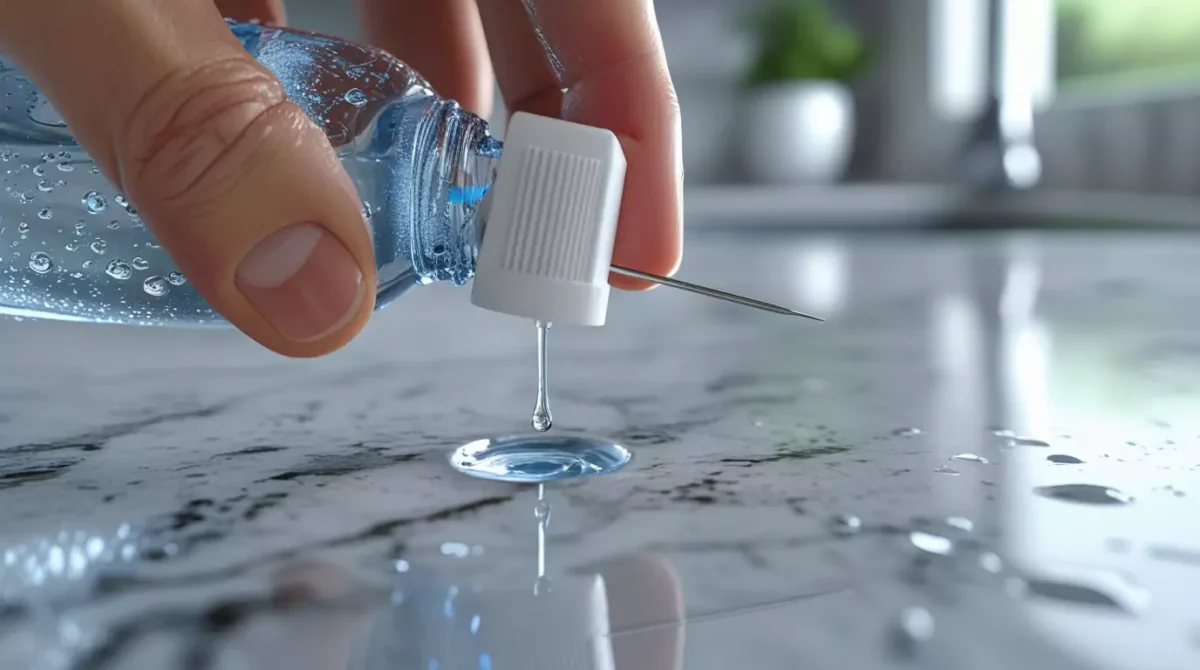
You know that moment when you’re trying to clean something and your spray bottle just… stops working?
The nozzle’s blocked. Nothing comes out. Or worse – it sprays sideways like a broken garden hose.
I’ve been there more times than I care to admit.
Here’s the thing most people don’t realise: fixing a clogged spray bottle nozzle takes about 30 seconds if you know what you’re doing.
Why Your Spray Bottle Nozzle Gets Blocked
Before we jump into solutions, let’s talk about why this happens.
Most spray bottles get clogged because:
- Dried product residue builds up in the tiny holes
- Mineral deposits from hard water create blockages
- Thick cleaning products leave sticky films behind
- Dust and debris get sucked into the mechanism
The worst culprits? Glass cleaners with alcohol. Fabric softeners. Homemade cleaning solutions with vinegar.
They all leave residue that hardens over time.
The 30-Second Hot Water Method
This is my go-to fix for most blocked nozzles.
Here’s what you do:
- Remove the nozzle completely from the bottle
- Run it under hot tap water for 10-15 seconds
- Shake off excess water
- Reattach and test spray
Works about 80% of the time.
The hot water dissolves most dried residues instantly.
No tools needed. No fancy products. Just hot water.


When Hot Water Isn’t Enough: The Needle Trick
Sometimes the blockage is stubborn.
That’s when I grab a sewing needle or safety pin.
Step by step:
- Hold the nozzle up to the light
- Look for the tiny spray holes
- Gently poke each hole with the needle tip
- Don’t force it – just clear the surface blockage
- Rinse with hot water again
I learned this from my mum who’s been cleaning houses for 20 years.
She swears by it.
The Nuclear Option: White Vinegar Soak
For seriously stubborn clogs, white vinegar is your friend.
What you’ll need:
- Small bowl
- White vinegar (the cheap stuff works fine)
- 10 minutes of patience
The process:
- Fill a small bowl with undiluted white vinegar
- Submerge the entire nozzle
- Let it sit for 5-10 minutes
- Rinse thoroughly with hot water
- Test spray function
The acid in vinegar dissolves mineral deposits and sticky residues.
Works on even the most stubborn blockages.
Different Nozzle Types Need Different Approaches
Not all spray bottles are created equal.
Trigger Spray Bottles
These are the most common. Usually respond well to the hot water method. If that fails, try the needle trick on the main spray hole.
Pump Spray Bottles
These have more complex internal mechanisms. Focus on soaking the entire nozzle assembly. Don’t try to disassemble – you’ll break it.
Fine Mist Sprayers
These have the tiniest holes. Most likely to get blocked. Always start with hot water, then move to vinegar soaking.


Prevention: Stop Clogs Before They Start
Here’s what I do to keep my spray bottles working:
After each use:
- Give the nozzle a quick rinse
- Store bottles upright
- Don’t leave product sitting in the trigger mechanism
Weekly maintenance:
- Fill with plain water and spray through
- Wipe down the nozzle exterior
- Check for any visible residue buildup
Monthly deep clean:
- Rinse entire nozzle assembly
- Quick vinegar soak if needed
- Test all spray functions
Takes 2 minutes max.
Saves hours of frustration later.
Common Mistakes That Make Things Worse
I’ve seen people make these errors:
Using force when the nozzle won’t spray This usually breaks the internal spring mechanism. Once that’s broken, the whole bottle’s done for.
Trying to disassemble complex nozzles Unless it’s obviously designed to come apart, don’t try. You’ll end up with pieces you can’t put back together.
Using harsh chemicals to clean Bleach and strong acids can damage the plastic. Stick to hot water and white vinegar.
Ignoring the problem until it’s really bad A slight reduction in spray pressure is your early warning. Sort it out then, not when nothing comes out at all.
When to Just Replace the Nozzle
Sometimes it’s not worth the effort.
Replace when:
- The plastic is cracked or damaged
- Multiple hot water treatments haven’t worked
- The spray pattern is permanently altered
- The trigger mechanism feels loose or broken
Most hardware stores sell replacement nozzles for under £2.
Your time is worth more than that.



Troubleshooting Specific Problems
Spray Goes Sideways
Cause: One spray hole is blocked while others aren’t Fix: Use the needle method on the blocked hole
Very Weak Spray Pressure
Cause: Partial blockage reducing flow Fix: Hot water rinse followed by vinegar soak
No Spray At All
Cause: Complete blockage or broken mechanism Fix: Try all methods above, then consider replacement
Spray Pattern Changes Over Time
Cause: Gradual residue buildup Fix: Regular maintenance prevents this
The Bottom Line on Blocked Spray Nozzles
Most clogged spray bottle issues are fixable in under a minute.
Hot water solves 80% of problems. A needle clears the rest. Vinegar handles the stubborn cases.
The real trick is catching problems early.
Don’t wait until your spray bottle completely stops working.
Sort it out when you first notice the spray getting weaker.
Prevention beats cure every single time.
FAQs
How often should I clean my spray bottle nozzle?
Clean it weekly if you use it regularly, monthly for occasional use. A quick rinse after each use prevents most blockages.
Can I use other acids instead of white vinegar?
Lemon juice works but is more expensive. Avoid stronger acids like citric acid or CLR – they can damage plastic nozzles.
What if the nozzle breaks when I’m trying to clean it?
If it’s an expensive bottle, check if replacement nozzles are available. Otherwise, transfer the remaining product to a new spray bottle.
Why does my spray bottle work fine with water but not with cleaning products?
Thicker liquids and those with additives are more likely to leave residue. Dilute thick products slightly and rinse the nozzle more frequently.
Can I prevent clogs by adding water to my cleaning products?
Yes, but only if the product instructions allow dilution. Some cleaners lose effectiveness when watered down.
Remember: a working spray bottle nozzle is just 30 seconds and hot water away.