Travel is changing fast, and so are passports. If you’ve ever stood in a long airport queue wondering why verification takes forever, the new e passport in India might feel like a breath of fresh air.
India is rolling out e passports to make travel faster, safer, and more efficient. But what exactly is an e passport? How does it work? And should you care?
Let’s break it down in a simple, practical, and slightly entertaining way.
What is an E Passport?
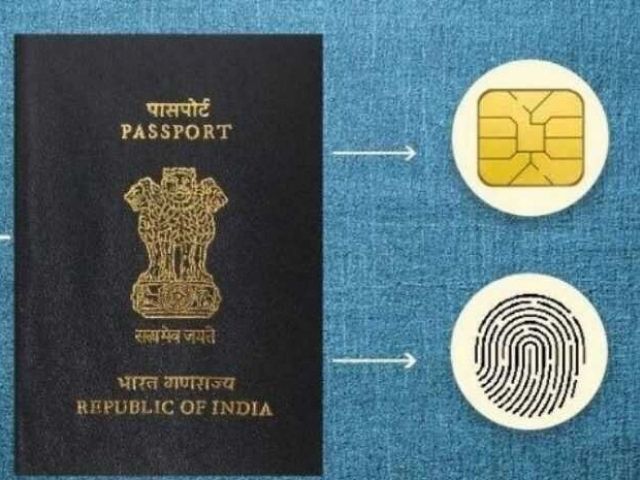
An e passport (electronic passport) is a traditional passport with a smart twist. It contains a small embedded electronic chip that securely stores your personal and biometric data.
This chip holds:
- Your name, date of birth, and passport number
- Your photograph
- Biometric details like fingerprints (in some cases)
- A digital signature for authentication
So, if a normal passport is like a printed ID card, an e passport is like a mini secure digital identity system tucked inside your booklet.
What is E Passport India?
When people search for what is e passport India, they’re usually asking how it differs from the existing system.
India’s e passport is being introduced by the government to align with global standards set by the International Civil Aviation Organization (ICAO). Many countries like the US, UK, and Germany already use this system.
India’s version includes:
- A contactless chip embedded in the passport cover
- Advanced encryption to prevent data theft
- Faster immigration processing
In short, India is upgrading its passport system to match international security and speed expectations.



E Passport Rollout India 2026: What’s Happening?
The e passport rollout in India has already started in phases. The government began issuing e passports in select cities, and the plan is to expand nationwide.
Here’s what you should know:
- New passports will gradually be replaced with e passports
- Existing passport holders don’t need to panic your current passport stays valid
- You’ll receive an e passport when you apply for a new or renewed passport
Think of it like a phone upgrade. Your current phone works fine, but the new model is smarter.
How E Passport Works in India
Let’s simplify how e passport works in India.
Step-by-Step Process
- Data Storage
Your personal and biometric data is stored inside a secure chip. - Digital Signature
The chip uses encryption to protect your data from tampering. - Scanning at Immigration
At airports, officials scan your passport using special readers. - Verification
The system instantly matches your data with government records. - Access Granted
If everything checks out, you pass through faster.
Simple Analogy
Imagine tapping your metro card instead of buying a ticket every time. That’s how e passports improve efficiency.
E Passport Chip Technology Explained
Now let’s decode the most interesting part e passport chip technology explained in simple terms.
The chip inside your passport uses:
- RFID (Radio Frequency Identification) technology
- Contactless communication (no need to insert the passport)
- Public Key Infrastructure (PKI) for encryption
Why This Matters
- Data cannot be easily copied
- Unauthorized access becomes extremely difficult
- Verification becomes almost instant
So yes, your passport just got smarter than your average office printer.



E Passport Benefits and Features
Let’s talk about the real value. Why should you care about e passports?
Key Benefits
1. Faster Immigration Clearance
No more long queues. Automated systems speed things up significantly.
2. Improved Security
The encrypted chip reduces the risk of forgery and identity theft.
3. Global Compatibility
E passports meet international standards, making travel smoother.
4. Reduced Human Error
Automation minimizes mistakes during verification.
5. Tamper-Proof Design
Any attempt to alter data gets detected instantly.
E Passport Security Features List
Security is the backbone of e passports. Here’s what protects your data:
- Embedded encrypted microchip
- Digital signature authentication
- Secure biometric storage
- Anti-skimming technology
- Tamper-detection mechanisms
- Access control systems
In simple words, your passport becomes a high-security document with built-in intelligence.
Difference Between E Passport and Normal Passport
Let’s settle the big comparison: difference between e passport and normal passport.
| Feature | Normal Passport | E Passport |
|---|---|---|
| Data Storage | Printed only | Printed + digital chip |
| Security | Basic | Advanced encryption |
| Verification Speed | Slower | Faster |
| Tamper Protection | Limited | High |
| Technology | Manual | Automated |
Quick Summary
- Normal passport = traditional and reliable
- E passport = modern, faster, and more secure
It’s like comparing a keypad phone to a smartphone.
Who Can Apply for E Passport India?
Wondering who can apply for e passport India?
The answer is simple:
- Any Indian citizen applying for a new passport
- Anyone applying for passport renewal
- Applicants under normal passport categories
There’s no separate eligibility criteria just for e passports. If you qualify for a passport, you qualify for an e passport.



How to Apply for E Passport Online
Let’s make this practical. Here’s how to apply for e passport online in India.
Step-by-Step Guide
- Visit the official Passport Seva website
- Register or log in to your account
- Fill out the passport application form
- Pay the application fee online
- Book an appointment at the nearest Passport Seva Kendra (PSK)
- Visit the center for biometric verification
- Track your application status
Once processed, your e passport gets delivered to your address.
Pro Tip
Double-check your documents before the appointment. It saves time and avoids repeat visits.
Will Your Old Passport Become Invalid?
Short answer: No.
Your current passport remains valid until its expiry date. You don’t need to replace it immediately.
However:
- When you renew, you’ll likely receive an e passport
- Over time, all passports will transition to the electronic format
So, no sudden surprises here.
Is E Passport Safe?
Yes, and in many ways, it’s safer than traditional passports.
Why It’s Secure
- Data is encrypted and digitally signed
- Unauthorized reading is prevented
- Systems detect any tampering attempts
In fact, hacking an e passport is far more difficult than forging a paper passport.
Common Concerns About E Passports
Let’s address a few doubts people often have.
“Can someone scan my passport remotely?”
No. The chip uses secure access control, and scanners need authorization.
“What if the chip stops working?”
The passport still contains printed information, so it remains usable.
“Is my data stored online?”
No. The chip stores data locally and securely.
Why India is Moving to E Passports
India’s move toward e passports isn’t random. It’s part of a larger goal:
- Improve border security
- Reduce fraud
- Speed up international travel
- Align with global standards
With increasing international travel, manual systems simply can’t keep up.
Future of E Passports in India
The future looks pretty exciting.
Here’s what we can expect:
- Integration with automated border control systems
- Faster airport processing
- Better global travel experience
- Possible integration with digital identity systems
In short, passports are becoming smarter just like everything else.
Frequently Asked Questions
What is an e passport in India?
An e passport in India is a biometric passport that includes an embedded electronic chip storing personal and biometric data securely. It improves security and speeds up immigration checks.
How does an e passport work in India?
An e passport works using a contactless chip that stores encrypted data. At immigration, scanners read the chip and verify your identity instantly using secure systems.
What is the difference between e passport and normal passport?
The main difference is that an e passport contains a digital chip with encrypted data, while a normal passport only has printed information. E passports offer faster and more secure verification.
Who can apply for an e passport in India?
Any Indian citizen applying for a new passport or renewing an existing one can get an e passport. No separate application process is required.
How to apply for e passport online in India?
You can apply through the Passport Seva portal by filling out the form, paying the fee, booking an appointment, and completing biometric verification at a passport center.
Is e passport mandatory in India?
No, e passports are not mandatory yet. However, they are being gradually introduced and will eventually replace traditional passports.
What are the benefits of e passport?
E passports offer faster immigration clearance, better security, reduced fraud risk, and global compatibility with modern border systems.
Is E passport safe and secure?
Yes, E passports use advanced encryption and security features that make them highly secure and difficult to forge or misuse.
When will e passport be fully implemented in India?
E passports are being rolled out in phases across India and are expected to become widely available nationwide in the coming years.
Do I need to replace my old passport with an e passport?
No, your current passport remains valid until it expires. You will receive an e passport when you apply for renewal or a new passport.
Final Thoughts
The e passport in India marks a major step forward in travel technology. It combines convenience, speed, and strong security into one small booklet.
If you’re planning to travel in the coming years, you’ll likely use an e passport whether you realize it or not.
And honestly, anything that reduces airport queues deserves appreciation.
If you’ve been curious about what is e passport India, now you’ve got a complete, practical understanding without the jargon overload.
And next time you breeze through immigration, you’ll know exactly what made it possible.