Camping sounds simple: pack light, enjoy nature, cook outdoors, and sleep under the stars. But one small issue always shows up sooner or later – wet clothes.
A sudden rain shower, river crossing, sweaty hike, or hand-washed socks can quickly leave you with damp gear. Drying clothes outdoors becomes essential, and that’s where the debate starts:
Should you pack a portable camping clothesline or just use a rope?
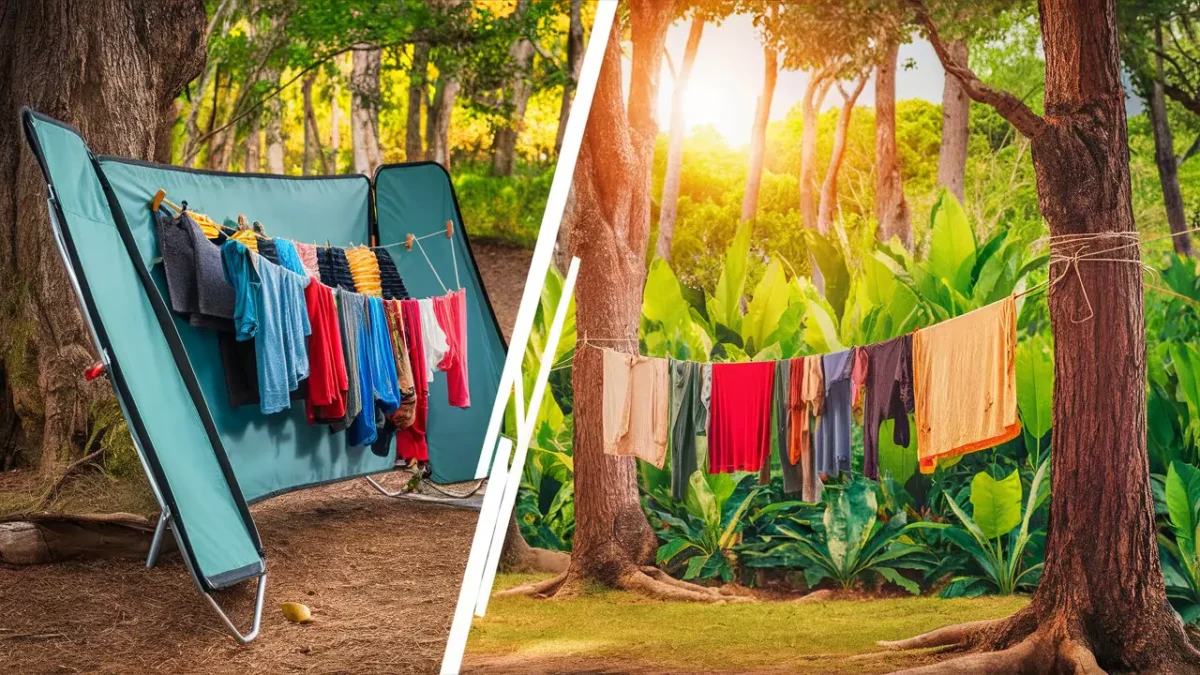
Both options can dry your clothes, but they work very differently in real camping situations. Some campers prefer modern portable camping clothesline systems, while others trust the classic camping rope clothesline.
In this guide, we’ll break down the differences in a practical way. We’ll look at usability, weight, durability, setup time, and real camping scenarios. By the end, you’ll know exactly which option fits your style of camping.
Why Every Camper Needs a Clothes Drying Line
Wet clothing is more than just uncomfortable. It can also cause real problems during outdoor trips.
Moist clothes reduce body warmth. This becomes risky in cooler climates. Damp socks also increase the chances of blisters during hikes.
Most campers wash small items like:
- Socks
- Underwear
- Towels
- Lightweight shirts
- Microfiber cloths
Drying them on rocks or branches rarely works well. Dirt sticks to the fabric, and wind can easily blow clothes away.
A camping clothes drying line solves these problems. It keeps clothing elevated, organized, and exposed to airflow. Sun and wind then handle the rest.
Now let’s compare the two main options.
What Is a Portable Camping Clothesline?
A portable camping clothesline is a compact drying system designed for travel and outdoor use. Unlike basic rope, these lines include features that simplify drying clothes at campsites.
Most models include:
- Elastic or braided line
- Built-in clips or hooks
- Tension adjusters
- Anti-slip beads or separators
These features help keep clothes secure even in windy conditions.
Many backpackers prefer a lightweight camping clothesline because it packs small and sets up quickly. Some versions even fit inside a pocket.
Common Types of Portable Camping Clotheslines
Several styles exist, but the most popular ones include:
Elastic camping clothesline
These lines stretch slightly, which allows easy tension adjustment between trees or poles.
Camping laundry line with clips
These include small built-in clips, so you don’t need separate clothespins.
Twist-lock clothesline
Two elastic cords twist together to hold clothes without clips.
Beaded clothesline systems
Sliding beads prevent clothes from bunching together.
Many modern camping gear clothesline products combine two or more of these features.



What Is a Rope Clothesline?
A camping rope clothesline is the traditional solution. Campers simply tie a rope between two trees or posts and hang clothes over it.
Most campers use standard ropes such as:
- Paracord
- Nylon rope
- Utility cord
Many outdoor enthusiasts already carry rope for other purposes. Because of this, they often skip specialized drying gear and use the rope instead.
The setup remains simple:
- Tie rope between two points
- Hang clothes over the rope
- Secure them with clips or knots
This method has worked for decades, but it comes with some limitations.
Portable Camping Clothesline vs Rope: Key Differences
Let’s compare both options based on real camping needs.
1. Setup Time
Portable Camping Clothesline
Setup usually takes less than a minute. Most lines include hooks or carabiners that attach quickly to trees, poles, or tents.
Built-in clips also save time.
Rope Clothesline
Rope requires knots and tension adjustment. Without proper tension, clothes may sag or slide toward the center.
Beginners often spend several minutes adjusting the rope.
Winner: Portable Camping Clothesline
It offers faster setup for most campers.
2. Weight and Packability
Weight matters a lot, especially for backpacking.
Portable Camping Clothesline
Most models weigh between 20–60 grams. They pack into very small pouches.
Some backpacking clothes drying line options measure less than 10 cm when packed.
Rope Clothesline
Rope weight varies depending on thickness and length.
For example:
- 10 meters of paracord weighs about 60 grams
- Thicker utility ropes weigh more
However, many campers already carry rope, so adding extra gear may not feel necessary.
Winner: Tie
If you already carry rope, weight becomes equal.
3. Stability in Wind
Wind can turn drying clothes into a mess.
Portable Camping Clothesline
Features like clips and beads keep clothes secure. Even strong wind struggles to move them.
An elastic camping clothesline also maintains tension automatically.
Rope Clothesline
Clothes may slide together in the center. Wind can also blow items off the rope if you don’t use clips.
Winner: Portable Camping Clothesline
It handles wind better.
4. Ease of Use
Convenience matters after a long day of hiking.
Portable Camping Clothesline
Simply clip clothes and walk away.
Some travel clothesline for camping models allow you to lock clothes between two cords, eliminating the need for clothespins.
Rope Clothesline
You usually need clothespins or creative knots to keep clothes in place.
Without them, clothing may fall.
Winner: Portable Camping Clothesline
It requires fewer accessories.
5. Versatility
Camping gear should serve multiple purposes.
Portable Camping Clothesline
This gear mainly focuses on drying clothes.
Some campers use it for:
- Hanging lanterns
- Organizing small gear
- Drying towels
However, its main function remains laundry drying.
Rope Clothesline
Rope is extremely versatile.
You can use it for:
- Shelter building
- Guy lines
- Gear repair
- Emergency situations
- Food hanging
Winner: Rope Clothesline
Rope clearly offers more survival uses.
6. Durability
Outdoor gear must survive rough environments.
Portable Camping Clothesline
Most use durable nylon or elastic materials. However, thin elastic cords can wear out over time.
Frequent stretching may reduce elasticity.
Rope Clothesline
Rope often lasts longer. Paracord, for example, handles heavy loads and rough use.
Many outdoor experts trust rope for this reason.
Winner: Rope Clothesline
It usually lasts longer.
When a Portable Camping Clothesline Makes More Sense
A portable camping clothesline works best for campers who value convenience and speed.
It suits situations like:
Backpacking Trips
Backpackers prefer compact gear. A lightweight camping clothesline fits easily inside a backpack.
Organized Campsites
If you like tidy setups, built-in clips keep clothing evenly spaced.
Windy Areas
A camping laundry line with clips prevents clothes from blowing away.
Travel and Hostels
Portable clotheslines also work well indoors when traveling.
Because of these advantages, many modern campers carry one as part of their camping gear clothesline kit.


When a Rope Clothesline Is the Better Choice
Sometimes simple gear wins.
A camping rope clothesline works best in certain situations.
Minimalist Camping
Ultralight campers often avoid single-purpose tools.
If you already carry rope, it can handle drying tasks easily.
Survival or Bushcraft Trips
Rope plays a major role in survival setups. It helps with shelters, repairs, and food storage.
Using rope for drying clothes saves space.
Large Drying Loads
Rope allows longer drying lines. This helps when several campers wash clothes at the same time.
Long-Term Camps
Rope works well for extended camping trips where durability matters.
Smart Tips for Drying Clothes While Camping
No matter which option you choose, these tips will help your clothes dry faster.
1. Choose Sunny Locations
Sunlight speeds up evaporation. Always place your outdoor portable clothesline where it gets direct sun.
2. Use Wind to Your Advantage
Wind helps remove moisture from fabric. Avoid sheltered corners where air barely moves.
3. Spread Clothes Apart
Clothes dry faster when air flows around them. Avoid stacking garments together.
Many camping laundry line with clips systems already solve this problem.
4. Wring Clothes Properly
Before hanging clothes, squeeze out as much water as possible. This simple step reduces drying time dramatically.
5. Use Microfiber Towels
Microfiber fabrics dry faster than cotton. Many campers prefer them for travel.
Outdoor experts frequently recommend quick-dry fabrics for camping because they reduce moisture problems in remote environments.
Portable Camping Clothesline vs Rope: Quick Comparison
Here is a simple summary of the main differences.
| Feature | Portable Camping Clothesline | Rope Clothesline |
|---|---|---|
| Setup Speed | Very fast | Slower |
| Weight | Very light | Light |
| Wind Resistance | Excellent | Moderate |
| Ease of Use | Very easy | Requires clips or knots |
| Versatility | Limited | Very versatile |
| Durability | Good | Excellent |
Both options work well. The best choice depends on your camping style.


What Experienced Campers Usually Pack
Many experienced campers actually carry both.
Why?
Because each option serves a different purpose.
A short backpacking clothes drying line handles quick laundry tasks. Meanwhile, rope remains useful for shelters, repairs, and emergencies.
This combination adds flexibility without adding much weight.
How to Choose the Right Camping Clothesline
If you plan to buy one, consider these factors.
Weight
Backpackers should choose a lightweight camping clothesline under 50 grams.
Length
A good camping clothes drying line usually ranges from 2 to 4 meters.
Clip Design
Built-in clips or twist-lock cords help secure clothes.
Material Quality
Look for durable nylon or strong elastic materials.
Pack Size
Compact gear fits better in small backpacks.
Choosing the right travel clothesline for camping ensures easier laundry during outdoor trips.
FAQs
Is a portable camping clothesline better than rope?
It depends on your camping style. Portable camping clotheslines offer faster setup and built-in clips that keep clothes secure in wind. Rope clotheslines are more versatile and can serve multiple purposes like shelter setup or gear repair.
Can I use paracord as a camping clothesline?
Yes, many campers use paracord as a clothesline. Paracord is lightweight, strong, and easy to tie between trees or poles. However, you may need clothespins or knots to prevent clothes from sliding.
How long should a camping clothesline be?
Most camping clotheslines range between 2 to 5 meters. This length allows enough space to dry socks, shirts, and towels while remaining compact for backpacking.
How do you hang clothes while camping?
Campers usually hang clothes by stretching a drying line between two trees, tent poles, or trekking poles. Clothes can then be clipped to the line or draped over it to dry in sunlight and airflow.
Do I really need a camping clothesline?
A camping clothesline is not essential but it is extremely useful. It helps dry wet clothes, towels, and gear without placing them on dirty ground or rocks.
What is the best clothesline for backpacking?
The best backpacking clotheslines are lightweight, compact, and easy to attach. Many backpackers choose elastic camping clotheslines because they pack small and require minimal setup.
How do you dry clothes fast while camping?
To dry clothes quickly while camping:
Wring clothes thoroughly before hanging
Place the clothesline in direct sunlight
Allow good airflow between garments
Use quick-dry fabrics instead of cotton
Final Verdict: Portable Camping Clothesline vs Rope
Both options solve the same problem—drying clothes outdoors.
However, they approach it differently.
A portable camping clothesline focuses on convenience. It sets up quickly, secures clothes in wind, and requires minimal effort.
A camping rope clothesline focuses on versatility. It works for drying clothes but also supports many other camping tasks.
Here’s the simple rule:
- Choose a portable camping clothesline for convenience and organization.
- Choose rope for multi-purpose camping gear.
Many experienced campers carry both because they complement each other perfectly.
At the end of the day, dry clothes make camping more comfortable. Whether you pack a modern outdoor portable clothesline or rely on a classic camping rope clothesline, your future self will thank you when those socks finally dry before morning.