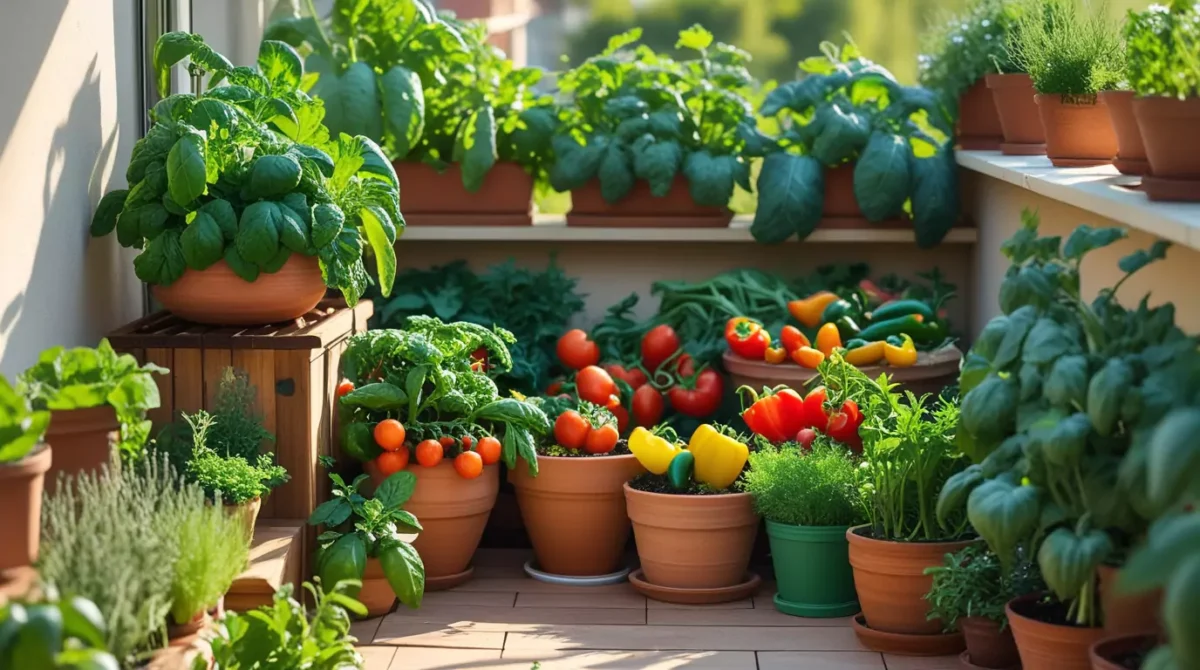
Learning how to start a vegetable garden in containers changed everything for me.
I used to think you needed acres of land to grow proper vegetables.
Turns out I was dead wrong.
My mate Sarah grows enough tomatoes on her balcony to last half the year.
And she’s using nothing but old buckets and some decent soil.
Here’s the thing nobody tells you about container gardening.
It’s actually easier than traditional gardening once you know what you’re doing.
The Real Problems Most People Face
“I don’t have space for a proper garden.”
“My landlord won’t let me dig up the yard.”
“Everything I try to grow just dies.”
Sound familiar?
I’ve heard these exact words from dozens of people.
The truth is, most gardening advice is written by people with massive gardens.
They forget what it’s like to work with limited space.
Container vegetable gardening solves all of these problems.
And you can start today with stuff you probably already have.
Why Container Growing Actually Works Better
Here’s what shocked me when I started growing vegetables in containers.
My plants grew faster.
I had fewer pests.
And watering was actually manageable.
The reasons are simple:
- You control the soil quality completely
- No weeds to compete with your plants
- You can move containers to follow the sun
- Drainage is better when done right
- You use less water overall
My neighbour Tom spent years fighting clay soil in his garden.
Then he switched to containers.
Now he grows better carrots than people with perfect garden soil.


Choosing the Right Containers for Vegetable Growing
This is where most people mess up.
They grab whatever pot they find and wonder why their plants struggle.
Container size matters more than you think:
Large vegetables (5+ gallon containers):
- Tomatoes
- Peppers
- Eggplant
- Cucumbers
- Courgettes
Medium vegetables (3-gallon containers):
- Carrots
- Beetroot
- Lettuce
- Chard
Small vegetables (1-gallon containers):
- Radishes
- Spring onions
- Most herbs
I learned this the hard way when I tried growing tomatoes in a tiny pot.
The poor plant looked like it was gasping for breath.
What containers work best:
Plastic self-watering containers – These are brilliant if you travel or forget to water.
Wooden planters – Look great but need replacing every few years.
Large plastic buckets – Cheap and effective. Just drill holes in the bottom.
Ceramic pots – Pretty but heavy. Terra cotta dries out too fast for most vegetables.
I use old washing-up bowls with holes drilled in them.
Nobody cares what they look like when the vegetables taste amazing.
The Container Garden Soil Secret
This is crucial.
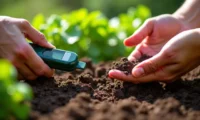
Never use garden soil in containers.
I repeat: never use garden soil.
It turns into concrete when it dries out.
Your plants will hate you for it.
What you need instead:
- High-quality potting compost
- Perlite for drainage
- A bit of compost if you have it
The soil is doing all the heavy lifting here.
Cheap soil equals disappointing vegetables.
I learned this after killing three rounds of seedlings with rubbish compost.
Now I buy the good stuff and my plants actually thrive.
Drainage: The Make-or-Break Factor
Poor drainage kills more container plants than anything else.
Your vegetables need water, but they also need to breathe.
Here’s how to get it right:
- One large hole or several smaller ones in the bottom
- Cover holes with coffee filters to keep soil in
- Raise containers off the ground with pot feet
- Never let containers sit in standing water
I use old bricks to lift my containers.
Works perfectly and costs nothing.
Where to Place Your Vegetable Containers
Most vegetables need 6+ hours of direct sunlight.
But here’s what gardening books don’t tell you.
You need to actually measure this, not guess.
I thought my patio got full sun.
Turns out it only got 4 hours.
No wonder my tomatoes looked sad.
Quick sun test:
- Check every 30 minutes from sunrise to sunset
- Mark down when direct sun hits your space
- Count the hours
If you’re short on sun, grow leafy greens instead.
Lettuce and spinach tolerate partial shade much better.
Hot climate tip: In summer, afternoon shade can actually help.
Nobody wants cooked plant roots.
Watering Container Vegetables Like a Pro
This is where container growing gets tricky.
Too little water and plants wilt.
Too much water and roots rot.
The finger test saves the day every time.
Stick your finger 2cm into the soil.
Dry? Water deeply until it runs out the bottom.
Still moist? Wait and check later.
Summer watering reality:
- You’ll probably water daily
- Sometimes twice daily in heat waves
- Early morning is best
- Self-watering containers are worth every penny
My containers need water every single day in July.
It’s just part of the routine now.
Feeding Your Container Vegetables
Container plants eat more than garden plants.
They can’t send roots far to find nutrients.
Simple feeding schedule:
- Mix slow-release fertiliser into soil before planting
- Liquid feed every 2 weeks during growing season
- Fish emulsion works brilliantly for vegetables
I use liquid tomato feed for pretty much everything.
Simple and it works.

Starting from Seeds vs Buying Plants
Seeds are cheaper.
Seedlings are easier.
Both work fine.
Seeds make sense when:
- You want unusual varieties
- You’re growing loads of one thing
- You enjoy the process
Buy seedlings when:
- You’re just starting out
- You only want a few plants
- You’ve killed seeds before (we’ve all been there)
I buy tomato and pepper plants but grow lettuce and radishes from seed.
Play to your strengths.
Best Vegetables for Container Growing Success
These vegetables actually prefer containers:
Easy wins for beginners:
- Lettuce (ready in 6 weeks)
- Radishes (ready in 4 weeks)
- Spring onions
- Herbs
Slightly more challenging but worth it:
- Bush tomatoes
- Peppers
- Courgettes
- French beans
Avoid these in containers:
- Sweetcorn (needs too much space)
- Large pumpkins
- Watermelons
Start with the easy ones.
Success breeds more success.
Common Container Gardening Mistakes (And How to Avoid Them)
Mistake 1: Containers too small Fix: When in doubt, go bigger
Mistake 2: No drainage holes Fix: Drill holes before planting
Mistake 3: Using garden soil Fix: Buy proper potting compost
Mistake 4: Forgetting to water Fix: Set phone reminders or get self-watering containers
Mistake 5: Overcrowding plants Fix: One tomato plant per large container
I made every single one of these mistakes.
Your vegetables will survive your learning curve.
Seasonal Container Vegetable Planning
Spring: Start with peas, lettuce, and radishes
Summer: Tomatoes, peppers, and courgettes rule
Autumn: Back to leafy greens and quick crops
Winter: Move tender plants inside or use cold frames
The beauty of containers is flexibility.
You can extend seasons by moving plants around.
Problem-Solving Your Container Garden
Plants wilting despite watering? Check drainage. Might be root rot.
Leaves turning yellow? Probably needs feeding.
Plants growing slowly? Not enough sun or container too small.
Pests showing up? Move containers away from problem areas.
Most container gardening problems have simple fixes.
Don’t overthink it.
FAQs About Starting a Vegetable Garden in Containers
How much does it cost to start a container vegetable garden?
You can start with £20-30 for basic containers and soil. It scales up from there based on what you want to grow.
Can I grow vegetables in containers indoors?
Leafy greens and herbs work well indoors. Fruiting vegetables like tomatoes need more light than most homes provide naturally.
How long do vegetable containers last?
Plastic containers last years. Wooden ones need replacing every 2-3 years. Clay pots can crack in frost.
Do container vegetables taste as good as garden-grown ones?
Often better because you control soil quality and harvest at peak ripeness. My container tomatoes beat shop-bought ones every time.
What if I live in a flat with no outdoor space?
South-facing windows work for herbs and microgreens. Consider grow lights for year-round indoor growing.
How often do I need to replace the soil?
Refresh with compost each season. Replace completely every 2-3 years or when plants start struggling.
Can children help with container vegetable gardening?
Absolutely. It’s perfect for kids because everything is at their level and they can see results quickly with radishes and lettuce.
Starting a vegetable garden in containers isn’t rocket science.
It just requires the right information and a bit of patience.
Your first harvest will make all the effort worth it.
Trust me on this one.