Training your dog doesn’t require magic – it requires clarity, consistency, and a bit of patience. If you focus on the right basics, you’ll build a dog that listens, stays safe, and feels more confident in everyday life.
In this guide, you’ll learn three essential commands – Come, Whoa, and Heel – along with practical techniques that actually work. These are part of every basic dog obedience training commands list, and mastering them will make everything else easier.
Let’s break it down in a simple, realistic, and effective way.
Why Basic Dog Training Commands Matter
Dogs don’t naturally understand human rules. Training bridges that gap.
When you teach easy commands to teach your dog, you:
- Improve safety (especially recall)
- Reduce unwanted behavior
- Build trust and communication
- Make daily life smoother
More importantly, training gives your dog structure. Dogs thrive on it.
Before You Start: Smart Training Foundations
Before jumping into commands, set yourself up for success.
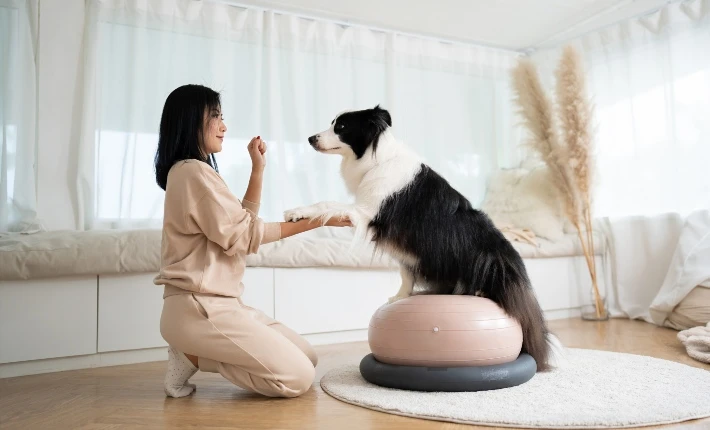
1. Keep Sessions Short
Train for 5–10 minutes at a time. Dogs learn better in short bursts.
2. Use Positive Reinforcement
Reward good behavior immediately. This forms the core of positive reinforcement dog training methods.
Rewards can include:
- Treats
- Praise
- Toys
3. Stay Consistent
Use the same word, tone, and gesture every time. Mixed signals confuse dogs.
4. Train in Low-Distraction Areas First
Start indoors. Add distractions later.
5. Be Patient
Every dog learns at a different pace. Avoid rushing.


Command #1: Come (The Lifesaving Recall Command)
The Come command might be the most important one your dog learns. It can literally save your dog’s life in dangerous situations.
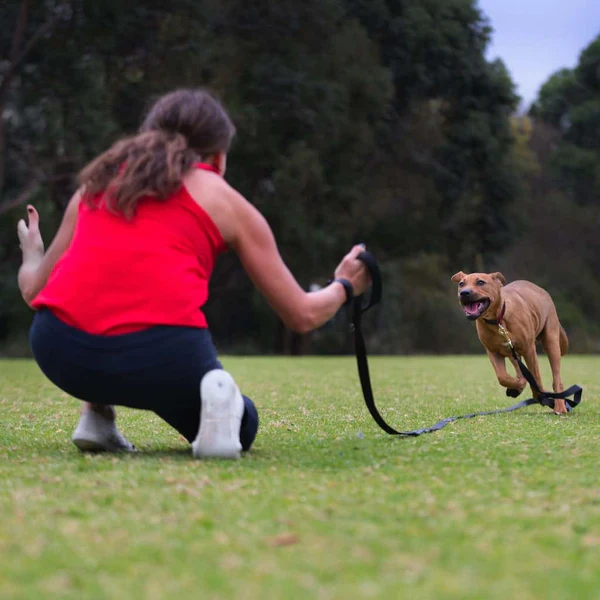
Why “Come” Matters
- Prevents accidents
- Helps in off-leash control
- Builds trust
How to Teach Dog Come Command Easily
Follow this step-by-step approach:
Step 1: Start Indoors
Call your dog’s name followed by “Come” in a cheerful tone.
Example:
“Buddy, come!”
Step 2: Use a Reward
When your dog comes, reward immediately.
Timing matters. Reward within 1–2 seconds.
Step 3: Increase Distance
Slowly move farther away before calling your dog.
Step 4: Add Mild Distractions
Practice in your yard or a quiet park.
Step 5: Never Punish After “Come”
If your dog associates “Come” with punishment, they’ll stop responding.
Pro Tip
Use high-value treats (like small pieces of chicken) when training recall. This improves response speed.
Common Mistakes with “Come”
- Calling repeatedly without reward
- Using an angry tone
- Calling only when ending fun (dogs notice patterns)
Command #2: Whoa (The Stop Command)
The Whoa command acts as a “pause” or “freeze” signal. It’s especially useful for controlling sudden movement.
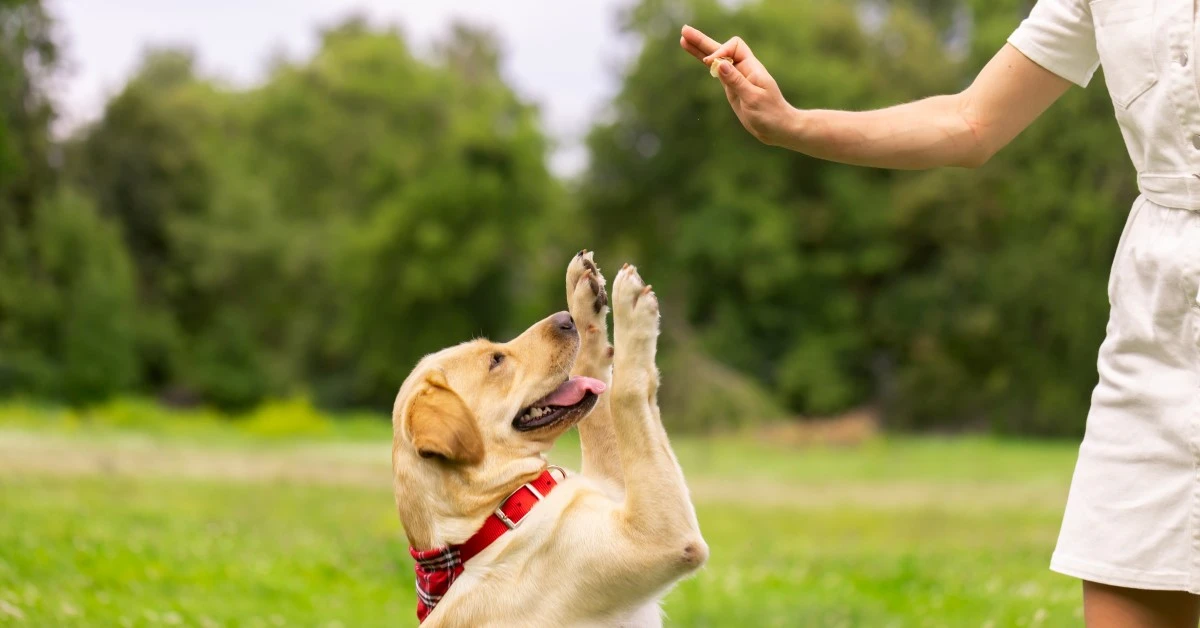
This falls under stop command dog training whoa command and works great for both safety and discipline.
Why Teach “Whoa”?
- Stops dangerous behavior instantly
- Improves impulse control
- Helps in outdoor environments
Step-by-Step: Teaching the Whoa Command
Step 1: Start with Leash Control
Keep your dog on a leash. Walk slowly.
Step 2: Say “Whoa” and Stop Walking
As you stop, gently hold the leash to prevent forward movement.
Step 3: Wait for Stillness
The moment your dog stops moving, reward.
Step 4: Repeat Frequently
Repetition builds understanding.
Step 5: Add Hand Signal
Raise your palm (like a stop sign). This helps with dog obedience commands with hand signals.
Pro Tip
Keep your tone calm and firm. “Whoa” should feel like a pause—not a punishment.
When to Use “Whoa”
- Before crossing roads
- When your dog chases something
- During training sessions
Command #3: Heel (Walk Like a Pro)
If your dog pulls on the leash, you need the Heel command.
Heel teaches your dog to walk beside you calmly. It transforms chaotic walks into enjoyable ones.
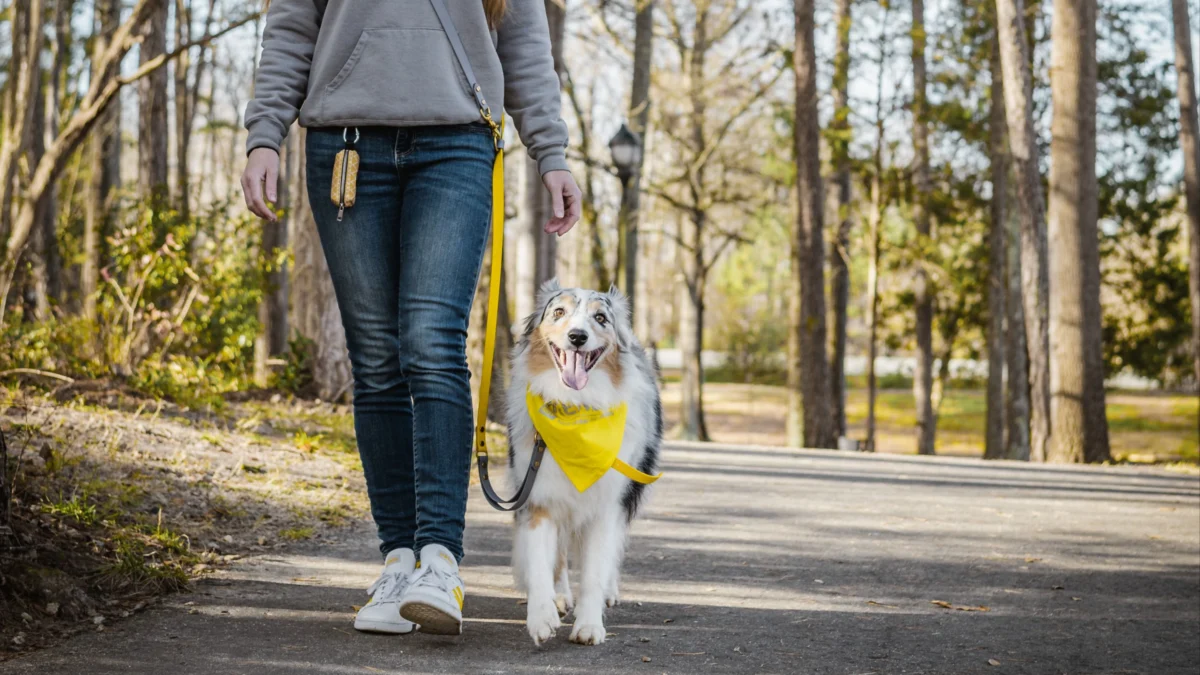
Why Heel Training Matters
- Prevents leash pulling
- Improves control in public places
- Builds focus


Heel Command Dog Training Step by Step
Let’s break it down.
Step 1: Choose a Side
Decide whether your dog walks on your left or right. Stick to one.
Step 2: Use a Treat as a Guide
Hold a treat near your side. Let your dog follow it.
Say “Heel” as they align with you.
Step 3: Take Small Steps
Walk a few steps forward.
If your dog stays beside you, reward immediately.
Step 4: Stop When They Pull
If your dog pulls ahead, stop walking.
Only move forward when they return to position.
Step 5: Gradually Remove Treat Dependence
Start reducing treats. Replace them with praise.
Add Hand Signals
Tap your thigh or keep your hand near your side. This builds strong dog obedience commands with hand signals.
Pro Tip
Consistency beats intensity. Practice daily, even for a few minutes.
Combining Commands for Better Results
Once your dog learns these commands individually, combine them.
Example routine:
- Call “Come”
- Ask for “Heel”
- Use “Whoa” to stop
This builds real-world control.
Dog Training Tips for Beginners at Home
Training at home works great, if done right.
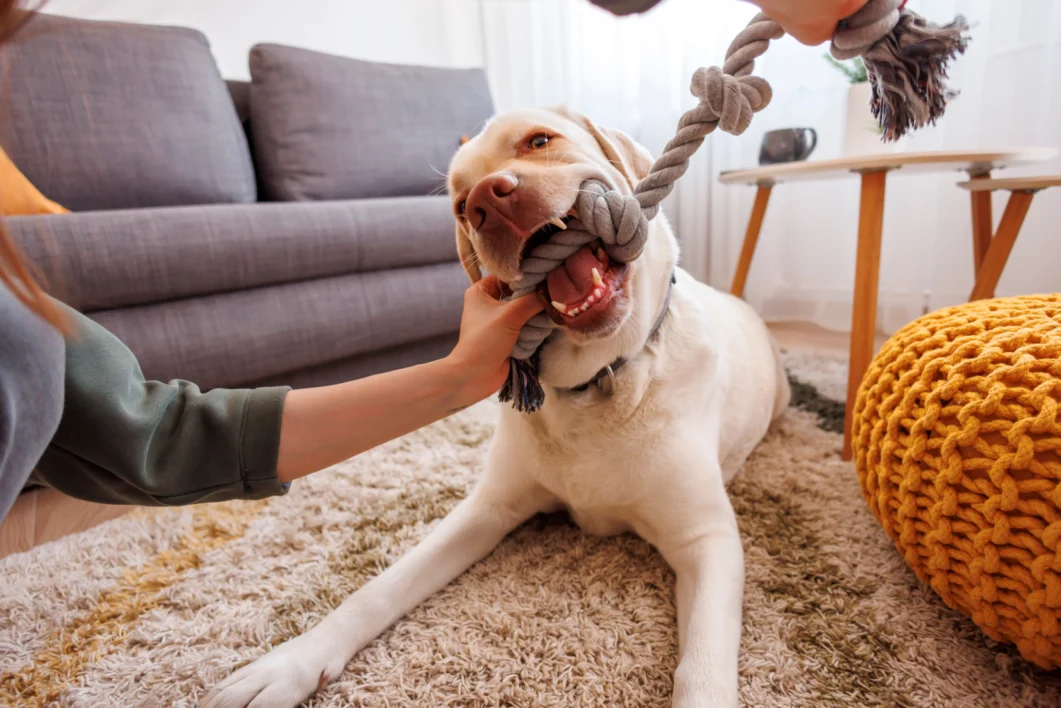
Here are practical dog training tips for beginners at home:
1. Train Before Meals
Dogs respond better when slightly hungry.
2. Remove Distractions
Turn off TV and keep sessions focused.
3. Use Clear Commands
Avoid long sentences. Keep it simple.
4. End on a Positive Note
Finish each session with success.
5. Practice Daily
Consistency matters more than duration.



How to Train Puppy Basic Commands
Puppies learn fast, but they also get distracted easily.

Key Tips:
- Keep sessions under 5 minutes
- Use soft treats
- Be playful
- Repeat often
Start with:
- Come
- Sit
- Stay
- Heel
Early training builds lifelong habits.
Positive Reinforcement Dog Training Methods (Why They Work)
Modern dog training focuses on rewarding good behavior—not punishing bad behavior.
Why Positive Reinforcement Works:
- Builds trust
- Reduces fear
- Encourages repeat behavior
When your dog connects actions with rewards, learning becomes natural.
Common Dog Training Mistakes Beginners Make
Avoid these common pitfalls. They slow progress.
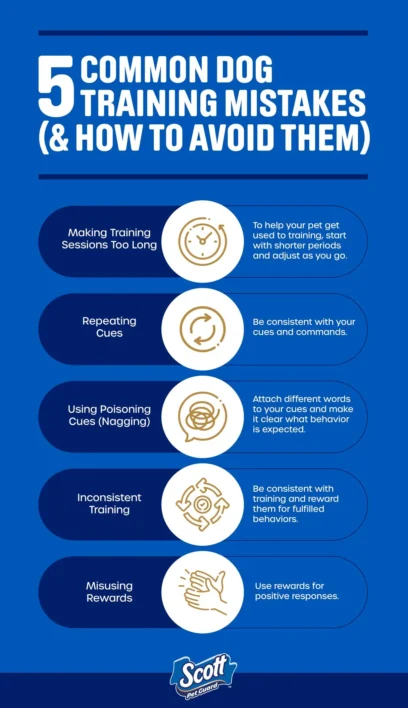
1. Inconsistency
Changing commands or tone confuses your dog.
2. Overtraining
Long sessions lead to frustration.
3. Punishment-Based Methods
These damage trust and create fear.
4. Poor Timing
Late rewards reduce learning effectiveness.
5. Skipping Basics
Advanced tricks fail without strong fundamentals.
Building a Complete Basic Dog Obedience Training Commands List
Beyond Come, Whoa, and Heel, you should include:
- Sit
- Stay
- Down
- Leave it
- Drop it
These form a complete basic dog obedience training commands list.
Realistic Expectations: How Long Does Training Take?
Training isn’t instant.
- Basic understanding: 1–2 weeks
- Reliable response: 1–2 months
- Strong obedience: ongoing practice
Dogs learn through repetition—not lectures.
Making Training Fun (For You and Your Dog)
Training shouldn’t feel like work.
Try this:
- Use playful tones
- Celebrate small wins
- Mix commands into games
A happy dog learns faster.
Frequently Asked Questions (FAQs)
What are the basic dog training commands every dog should know?
Every dog should learn basic commands like Come, Sit, Stay, Heel, Down, Leave it, and Stop (Whoa). These commands improve safety, behavior, and communication between you and your dog.
How do you teach a dog the “Come” command effectively?
Start in a quiet area, call your dog’s name followed by “Come” in a happy tone, and reward immediately when they respond. Gradually increase distance and distractions while using positive reinforcement.
What is the “Whoa” command in dog training?
The “Whoa” command teaches your dog to stop and stay still instantly. It works as a safety command to prevent sudden movement, especially outdoors or near roads.
How do you train a dog to walk on heel without pulling?
Use treats to guide your dog beside you, say “Heel,” and reward them for staying in position. Stop walking when they pull and only move forward when they return to your side.
How long does it take to train basic dog commands?
Most dogs learn basic commands within 2 to 4 weeks, but consistent practice is required for reliable obedience in real-life situations.
What is the best method for training dogs at home?
The most effective approach is positive reinforcement training, where you reward good behavior with treats, praise, or toys instead of using punishment.
Can you train a puppy basic commands at home?
Yes, you can train a puppy at home using short sessions, simple commands, and rewards. Puppies respond well to consistency and repetition.
Why is my dog not responding to commands?
Common reasons include inconsistency, distractions, lack of rewards, or unclear communication. Keeping training simple and consistent improves results.
What are common dog training mistakes beginners should avoid?
Beginners often make mistakes like inconsistent commands, long training sessions, delayed rewards, and using punishment instead of positive reinforcement.
Should I use hand signals along with dog commands?
Yes, combining verbal commands with hand signals improves understanding and helps dogs respond better, especially in noisy environments.
Final Thoughts
Teaching Come, Whoa, and Heel commands gives you control, safety, and a stronger bond with your dog.
Focus on:
- Consistency
- Positive reinforcement
- Short sessions
- Patience
You don’t need to be a professional trainer. You just need to show up every day and train with purpose.
Start small. Stay consistent. And soon, your dog will respond like a pro.